15 of the Most Famous Ballets in 2 Sentences Each

15 of the Most Famous Ballets in 2 Sentences Each

Ballet plots can be RIDICULOUSLY convoluted… but that doesn’t mean they have to be complicated. Here are fifteen of the greatest ballets of all time, boiled down into two sentences each. I mean, it’s really all you need to know!

1.     Giselle

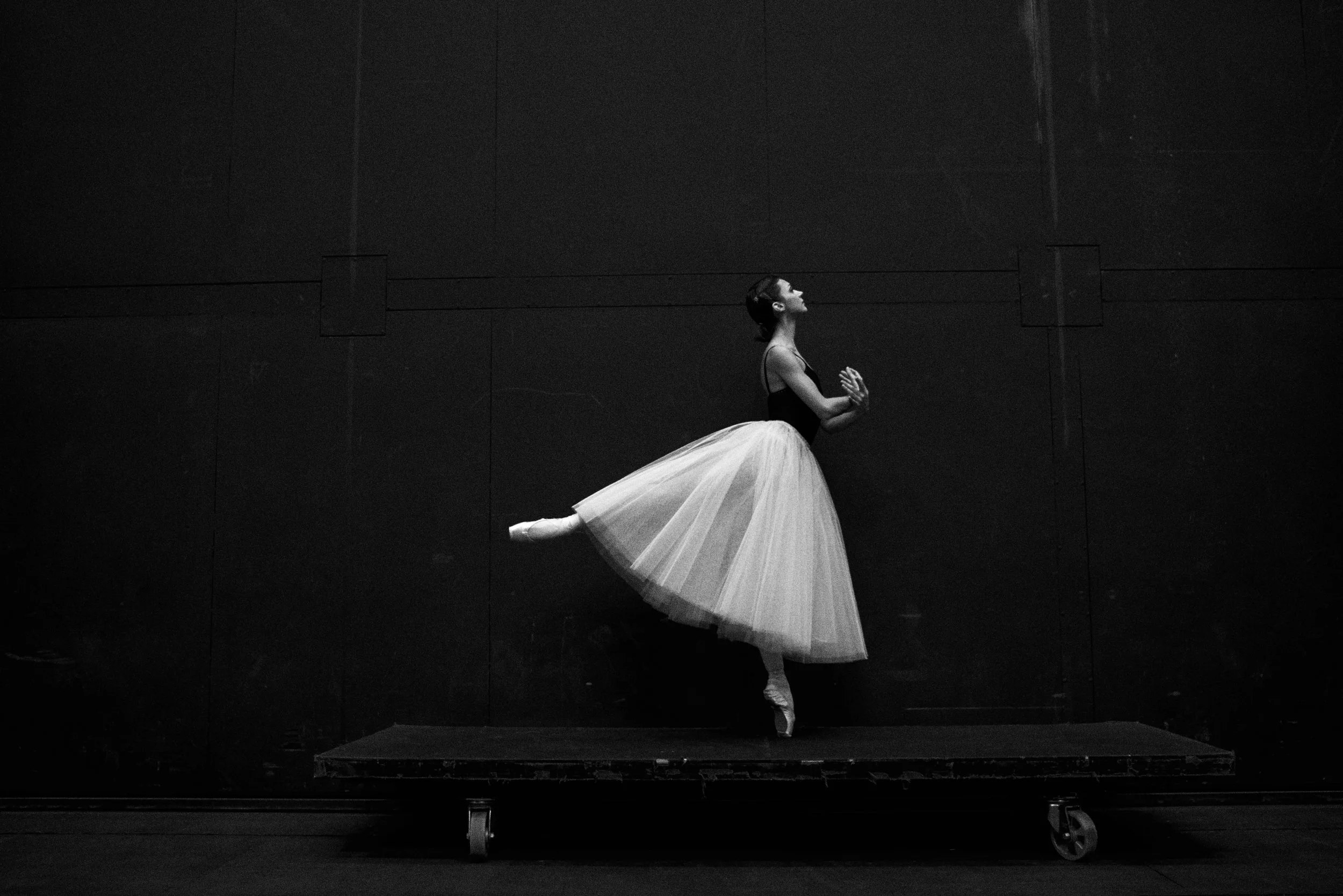
A peasant girl falls in love with a disguised (and already betrothed) nobleman who, unsurprisingly, breaks her heart, so she goes crazy and dies. A band of supernatural revenge-seeking lady ghosts rouse her spirit, and despite her pleas to spare the bastard, they get payback.

2.     Swan Lake

A depressed prince sets off to hunt some swans, but then one of them turns into a hot babe…

Read More

Why we shouldn't be so precious about the fine arts

Why we shouldn't be so precious about the fine arts

One of the biggest challenges around bridging the fine arts knowledge gap is the concept of “dumbing down.” Have you heard that term used before? People who work in the fine arts use it a lot to describe bad attempts at arts education for the public. They’ll say a presenter or article or video “dumbs down” a great work or era or technical concept.

One of my greatest joys is explaining just about anything. I was perhaps the most talkative child you’ve ever met, and I can still be ridiculously chatty, especially if the topic is something I can teach or explain. Breaking down complex topics is what I enjoyed most about law – even the most outrageously complex cases or principles can be taken apart and communicated in basic principles and analogies. This skillset led me to my corporate position, where my job was basically to explain complex investment topics to very important lay people.

Which brings me back to “dumbing down.” When people with a high level of knowledge try to break down complex topics for “lay people” (i.e., people without little to no knowledge of a subject), the most common mistake they make is starting too high. They jump in at mid-knowledge, which turns half the crowd off the topic entirely. But they do this to avoid “dumbing down,” for which their colleagues might look down upon them.

The reason people with a high level of knowledge (including many fine arts professionals) often show disdain for “dumbing down” is that they know how amazing their topic is. They want to stay way up at the level they’ve obtained, with the context and the nuance and the interpretation, because it’s so good, so fascinating, so rewarding. So it irks them profoundly to hear only the soundbite about a piece of music, or a painting, or a ballet. They’re thinking “god, there’s way more to it than that!”…

Read More

Why it’s okay to love the classics of fine art

Why it’s okay to love the classics of fine art

Last post, I went on a bit of a rant about why I think the canon (the most well-known works of each of the fine arts) is still absolutely essential and incredibly valuable. If you missed it, my rationale is that, (1) the works are still masterpieces – paragons of human creation – and the fact that they emerged from Patriarchal settings does not negate this; and, (2) because to understand not only these works but also the now emerging works of marginalized groups from earlier times as well as all the incredible art being made by a broadly diverse group of people today, we must understand creative lineage: we need to know who and what artists have studied and been influenced by.

So with that being said, today I want to talk about a bit of a funny topic, and I’ll start with perhaps a controversial sentence that will reveal how unfancy I really am:

I love me a novelty apron with the statue of David on it…

Read More