






How to Support an Artistic Child During Recital Season
/
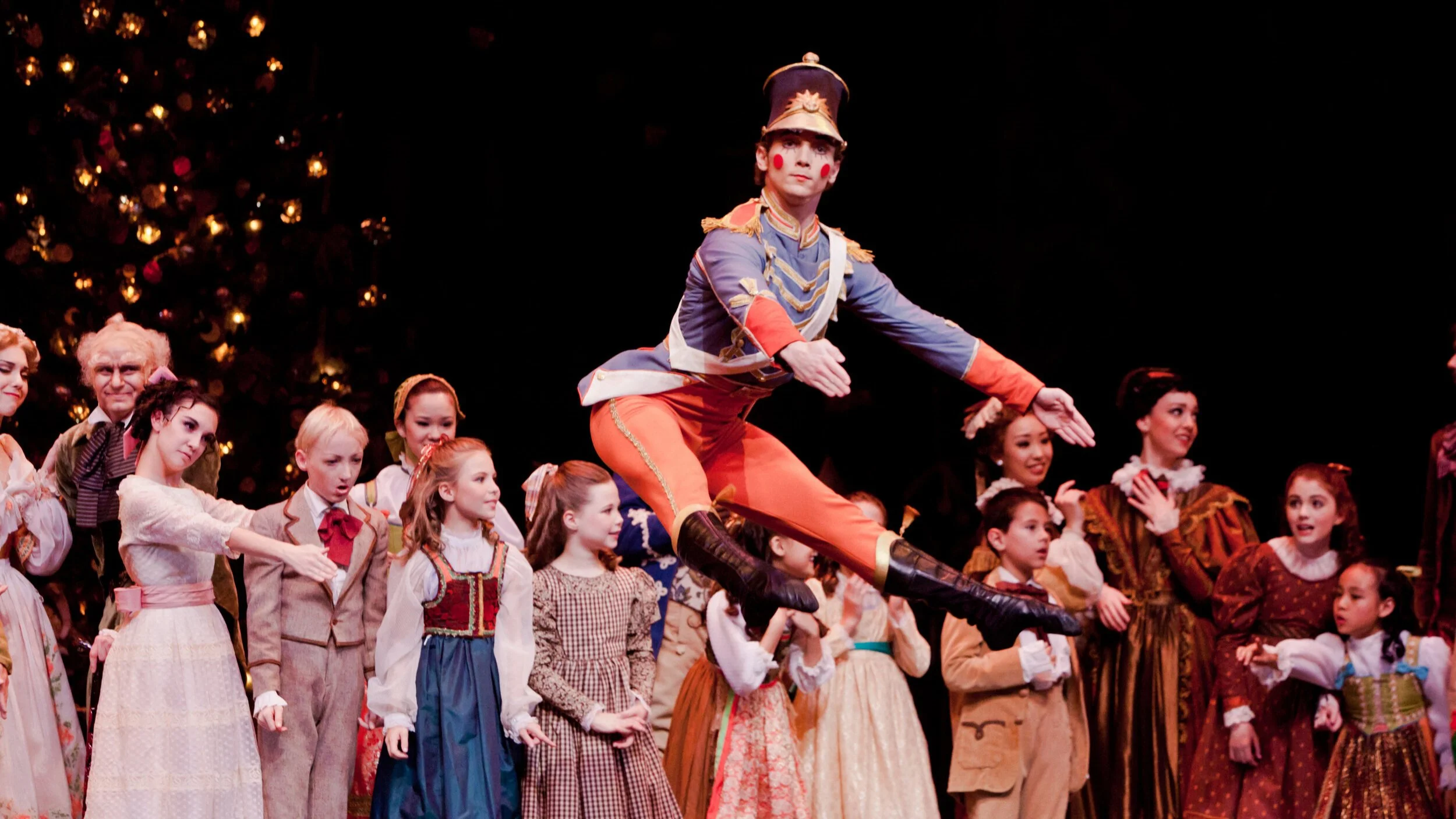
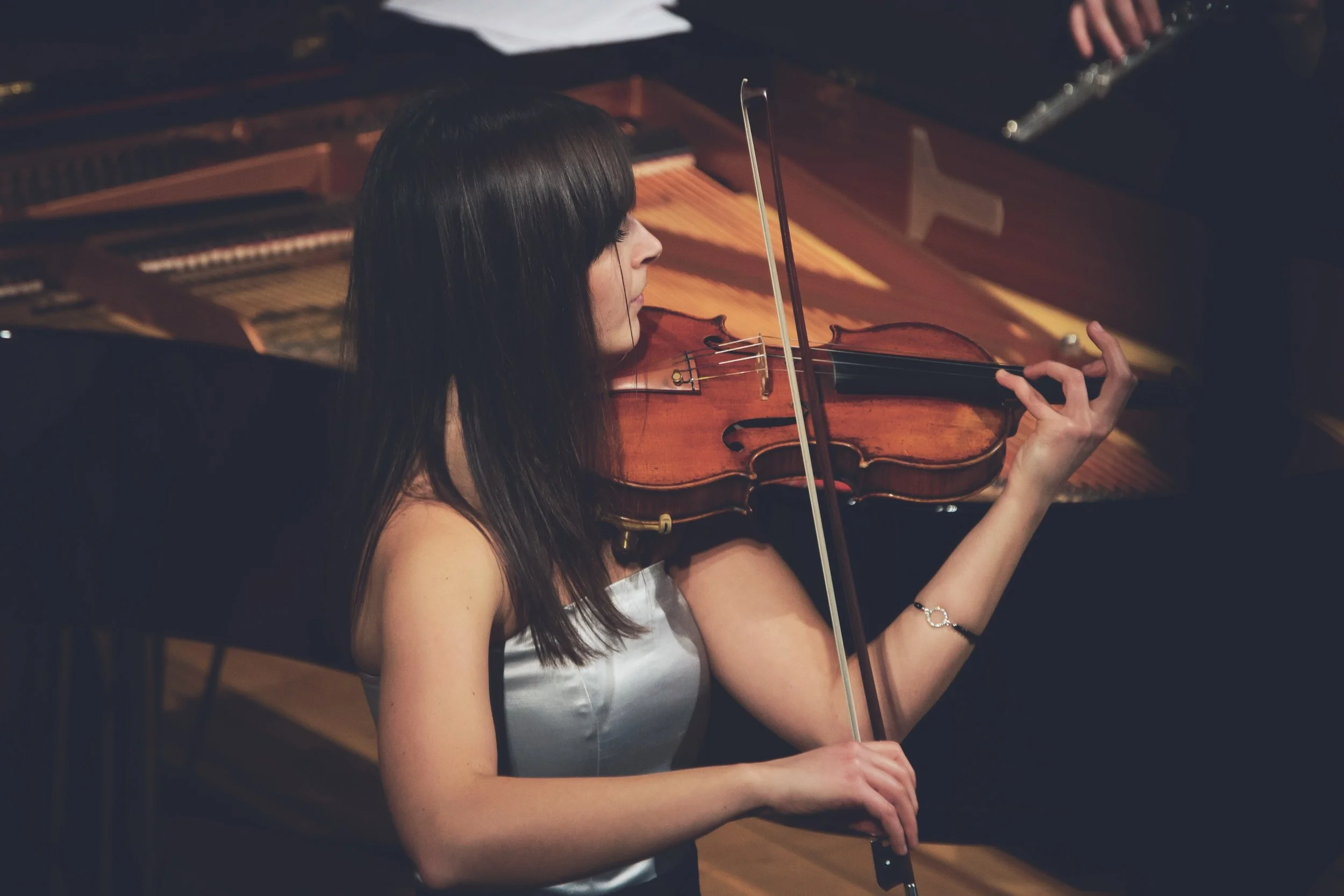
It’s winter recital season for little musicians and dancers, and with our own first baby on the way, I’m thinking about artistic kids (with two musician parents, we might end up with a child resigned to never be a performing artist, but who knows!). Sometimes it can be difficult to know how best to support your budding violinist or ballerina if you were never in the performing arts yourself. So, from the perspective of someone who has been a little musician, taught little musicians, and been around a gazillion little musicians over the years, here are five ways you can support your artistic kid this holiday recital season:
1. SET UP A DRESS REHEARSAL (or a couple)
Whether you have a child in a group artistic activity (like choir or dance) or a solo one (like violin or piano), giving them a chance to do a “run-through” of their upcoming performance can go a long way toward soothing their nerves, and can be a great way to make them feel more confident (plus, it gives kids an earlier date to prepare for than the night before the performance). I remember playing pieces for my grandparents the week before my recitals, and it was a huge help. If you’ve got kids who are pretty new to performing, I would also recommend they try out their concert attire for this “dress rehearsal” for family or friends. It’s never a pleasant experience to find out something doesn’t fit (or pulls funny, or is itchy, or “just is totally wrong, mom!”) five minutes before you need to leave the house.
2. ASK THEM ABOUT THEIR “GAME DAY” PREFERENCES AHEAD OF TIME
It’s good to talk through how performance day will go ahead of time so that you know (a) what the logistics are (ask your kid what their teacher has told them, if there are any handouts or emails about the recital, etc.), and also (b) what your little performer’s own preferences are about the day. For example, when I was a kid (okay, all the way through to when I was a professional performer), I always wanted to be really early for performances because I was nervous about being late. My parents would always want to leave the house at a perfectly reasonable time, but I wanted to be really early. Maybe your kid wants to sit up at the front of the church or recital hall with their friends and not with your family. Maybe parents aren’t allowed backstage, but they’d like you to walk them as far as you can go, then have your cell on hand in case they forget something. Talking through things ahead of time avoids accidentally hurt feelings and extra nerves (for both of you!).
3. TAKE CARE OF LOGISTICS
If you’re looking for a way to support your budding performer, one of the best ways is to let them know that you’ll handle all the logistics. I appreciated people doing this for me all the way up until I was a professional, and I still try to support my performer husband by offering assistance in this area. Way ahead of time, this includes making sure a little solo musician’s accompanist has a copy of their music (ask their teacher), ensuring their costume needs are taken care of (for little dancers and for holiday pageants), and making sure they know what they’re going to wear and having all the pieces of it ready to go. On the day of, let them know what time you need to leave the house and provide some warnings leading up to departure, have an easy-to-digest-but-protein-filled meal before leaving (eggs and toast is great, as is the classic PB&J if your child can have it – both reliable meals even professionals often eat before performing), pack a snack they can have backstage (a banana and crackers is great for a nervous tummy), and fill up a water bottle. Finally, help them do a last minute talk-through of everything they need to take with them when you leave the house (“Music?” “Check!” “Water bottle?” “Check!”). Once you get to the venue, help them find where they need to be, even though they might know better than you. For all logistics, nerves can really get in the way of clear thinking, so allow for extra time and provide a little extra assistance, even if you have a very self-reliant little performer.
4. GO TO THE PERFORMANCE!
Your kid might say they don’t want you to come. Or they might use the classic “you don’t have to come, it’ll be boring.” Obviously it’s going to be boring – it’s a performance entirely made up of children who are just starting to learn to do the thing they’re doing. Insist on coming (unless they really, truly freak out about you being there, in which case maybe offer to be backstage with them), and invite siblings and grandparents as well, if you can. Those early signs of support mean so much to a kid just starting out on a performing arts journey. Find out beforehand if you can take a picture or video, and ask your child if they would like their performance videotaped (some, especially older kids, often would prefer that you just watch, but some really want the video). Get a picture of them in their finery after the performance. Bring flowers! Go for a special meal afterward! Recitals are a big deal for kids – they’ve been working toward them for months, and they can be really nerve-wracking. Make the day feel special. (Critical tip: show respect and support for everyone else’s kids and your kid’s teacher by being a good audience member throughout the show. Stay for the whole performance, applaud, and stay off your phone. I KNOW it’s hard. You can do it.)
5. SHOW THEIR TEACHER(S) YOU APPRECIATE THEIR HARD WORK
Recital season is next-level crazy for music and dance instructors. Like, ca-ray-zee. This goes for private instructors and teachers at school. After the concert or recital or winter pageant, go let your child’s instructor(s) know two things: (1) how great you thought the whole performance was, and (2) how much you appreciated getting to see your child perform so beautifully. Your kid’s accomplishment that day is a reflection not only of your child’s hard work, but also of their teacher’s. And a small gift goes a long way. My personal favourite? A card from your kid with a modest gift card for a coffee chain. Easy to bring in your purse or pocket, easy for the teacher to actually use, much needed, and super appreciated.
So those are my tips for supporting a tiny performer this holiday recital season. Whether it’s a violin recital or a solo in the choir on Christmas Eve, make your little artist feel special, supported, and celebrated!
Happy Holidays!