






How to Really Enjoy Going to The Nutcracker
/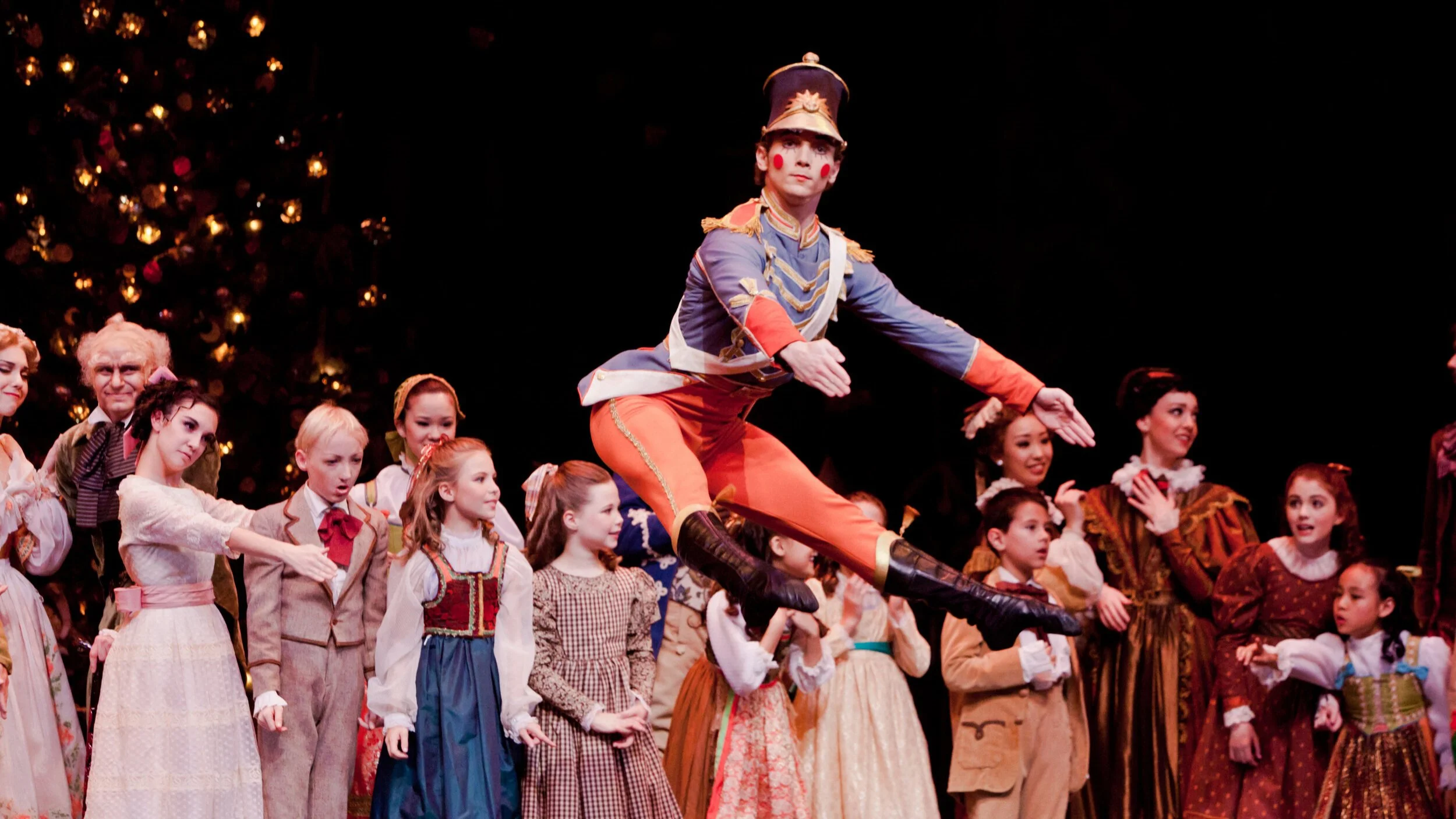
IT’S NUTCRACKER SEASON, Y’ALL! That means it’s time to talk about one of my favourite topics… how to go to the ballet (and actually LOVE it). The Nutcracker is by far the most-performed ballet, so if you’re going to see something, why not make it this beloved holiday classic?
Before I dive in, perhaps you arrived here because you already adore ballet. Maybe you’re super stoked about going to The Nutcracker for the thousandth time. Maybe you’re going for the first time, but you’re STILL super stoked. Or, perhaps – just perhaps – you feel like these guys:
Going to the ballet gets such a bad rap. GAWD, how can you make fun of a delightful story with some of the greatest music ever written?
Well, if you’re here because you’re a little skeptical but someone is “making you go” to the ballet this winter, or if you just don’t KNOW how to enjoy going to the ballet, let me walk you through it, using the Nutcracker as an example. Here are…
Five Easy Steps to Really Enjoy The Nutcracker
1. Skim the plot ahead of time
This seems counter-intuitive, because: if you’re worried about being bored, wouldn’t you want to be surprised by the plot? Nope, and here’s why. People who love The Nutcracker already know the plot, because they’ve seen it lots of times. Because they know what the ever-loving heck is going on, their minds don’t drift when the plot gets a little fuzzy (which, spoiler alert, it does in pretty much every ballet because there’s no talking). So here’s the plot of The Nutcracker at a glance for you to skim before you go. Then, when you get to the show, read the plot summary in the program to refresh your memory before the curtain goes up.
I love these super short videos from Ballet Austin summarizing each Act (which makes it way easier to remember). The videos together are only three minutes total, and do a great job of summarizing the whole ballet. But for the SUPER impatient among you, here’s the ultra-simplified synopsis:
There’s a Christmas party, where the main character (Clara) receives the gift of a wooden nutcracker.
She has a dream that The Nutcracker becomes a handsome prince, with whom she has three adventures: fighting the Mouse King and his army, seeing dancing snowflakes and the snow King and Queen, and going to the court of the Sugar Plum Fairy.
See? not so complicated. Girl gets present, girl falls asleep and thinks present is a real person, girl has elaborate dream sequence. If you miss the whole “it’s a dream” thing, or think each dance during the dream is telling a story, I can see why you’d be confused. After the fight with the Mouse King, it’s all basically just an adventure Clara and The Nutcracker go on where people dance for them.
2. Make a night of it, but don’t overdo it before the show
Here are the two mistakes I see a lot of beginner ballet-goers (and concert-goers, and theatre-goers) make: they either (a) don’t make enough of a special thing of it, or (b) overdo it before the show. Here’s what I mean. If you don’t go to the ballet or the symphony or the theatre often, you should make a night of it when you do (or an afternoon of it, if you go to the matinee). What do I mean? First, dress up (my rule of thumb is to wear what you would wear to a nice meal at that time of day in that area of the city – so evening performance = what you would wear out to a nice dinner downtown). Snap a selfie with whoever you went to the show with (you’ll look so classy on your Instagram, and if it’s with, say, your Grandma, you’ll also cherish the memory).
Second, bundle the performance with a meal or drinks or dessert before or after. Really make a special event of the day (which can even be on the cheap – my dad used to drive us through McDonalds after going to a performance of any kind, even if it was really late, so we could stay up and talk about what we saw). However, you do need to avoid the potential pitfall here, which is… overdoing it. You know why so many people fall asleep at the ballet or the theatre? Because they had a huge meal with dessert and two glasses of wine at the restaurant right beforehand! My favourite pre-show dinner is sushi (nice and light, but filling enough that you won’t be hungry), and my favourite after-show ritual is tea and dessert at any restaurant in walking distance (or, if Ryan was performing, usually beer and nachos). Make. An. Event. Of. It!
3. Plan ahead for intermission
My hot tip for ballet (and music, and theatre) newbies is that most theatres allow you to pre-order your drinks for intermission (and some even let you bring them into the hall). You just walk up to the bar before the show and order and pay for your intermission drinks ahead of time, then when the intermission starts, the bartenders will have lined up the pre-ordered drinks with their receipts all ready to go. That means no waiting in a big ol’ line, then chugging a chardonnay to get back to your seat before curtain. My other intermission must-do is to hit the washroom AS SOON as intermission starts. Bolt from your seats and have a visit to the loo even if you’re not sure you have to go. Because once you stand around in the lobby and decide, the lines (for the women’s rooms especially) are usually a little crazy. Go right at the beginning for zero wait time, then grab your drinks from the bar when you come out. Boom – intermission, mastered.
4. Know what to look at, when
The reason ballet can get boring is because, if you weren’t a dancer, maybe you don’t really know what to focus on, so you slowly start to tune out. Switch to active viewing to stay engaged and get way more out of what you’re watching. Here’s how I do it: first, I watch for plot. I know basically what’s going to happen, so now I’m following the characters around the stage and seeing exactly what’s happening as it happens. Then, if there’s a scene where the plot isn’t moving forward much (which happens when there’s a beautiful solo or an ensemble number), I watch for choreography. What do I find interesting? What do I find really pleasing to the eye? Do I think it’s neat how the movements line up with the music? Follow the shapes each dancer makes individually, as well as the shapes made by the group, and just have a sense of wonder.
Then – I’ll be honest with you – I do get a little bored sometimes. Everyone does. Which is when I look at a few more random things. Which dancer in the ensemble do I think is most talented and why? (Maybe one just seems more technically “good,” or one has better stage presence). What do I think of the costumes and set? Have I even noticed everything there is to notice about what’s on stage? Finally, if I’m really not feeling a particular scene, I watch the orchestra (you can see them, even though they’re often tucked partway under the front of the stage). It’s just like watching a symphony concert – two shows in one!
Finally, what I love to tell especially classical music and dance newbies is this: I go to performing arts performances all the time, and I zone out sometimes. Ok, I actually zone out a bit quite often. I used to beat myself up about this, because, as an “educated” connoisseur of the arts, shouldn’t I be extremely engaged all the time? Naw. No shame in this game. I think the arts are meant to be enjoyed on different levels, one of which is subconscious. I’ve had some of my best ideas come to me during performances. I once had someone tell me how much they enjoyed seeing older people fall asleep during concerts (which absolutely happens) because maybe it’s going to be a great rest for them when otherwise they have trouble sleeping. I don’t recommend active napping (you paid good money for this! And it’s amazing!), but don’t feel bad if your mind wanders a bit – just let it happen, and keep watching and listening. You might be surprised what pops up for you. And since you know the plot now, you can tune back in when the action picks back up.
5. Talk about it after
I think it’s so important to lock in the memory of going to a performance of any kind by talking about it after. If you went with a date, talk about your favourite parts immediately after the show. If you went with your kids, ask them what they liked best – who was their favourite character, which costumes did they like the most, did they enjoy it? Then think about it later yourself. The Nutcracker isn’t a profound work of high art; it’s a fun, fantasy romp, and it’s meant to be light and delightful. But that doesn’t mean you won’t have seen things that fascinate or inspire you. What struck you as really interesting? What moments captivated you, and why? For me, this can be a huge source of insight. For example, when I was in my corporate job, I was often so moved when I saw people expressing their abilities to their full potential. Um, hello, that’s what I needed to be doing more.
And finally, talk about the show the next day at work or at school or at mom’s group or whatever. First of all, it makes you sound classy as hell, and it can be really nice to add a bit of a fancy feather in your work or friend circle cap. Second, it shows your support for the arts in your community, and demonstrates to others that it’s actually really easy to “be cultured” and take in the arts. And finally, it can spark some really interesting conversations about what other people might be going to see this holiday season, and you might just pick up some more awesome date night/family-day-out ideas along the way.
So go see The Nutcracker! You’ll (actually!) love it!
I hope this has gotten the hyped among you even more hyped… and for the skeptics, I hope it’s given you some tools and tactics to arm yourself with so you don’t end up strolling the lobby hoping to find a TV like those Straight No Chaser guys.
Happy Nutcracker season, everyone!