




All Art is About the Human Experience
/
You know how a lot of interviews or podcasts include the question, “if you could tell people just one thing about (blank), what would it be?” Well, if I could tell people one thing about the arts, it would be this: all art is about the human experience, and that’s why it’s so important, useful, and valuable to everyone.
A lot of people think of beauty when they think of the arts, and they aren’t wrong. Part of what the arts offer us is certainly incredible beauty. Beauty so perfect it’s remarkable human hands and minds made it, or are even making it before our eyes. But seasoned arts-lovers know that a lot of art isn’t just beautiful (or isn’t even beautiful at all). But what art always is is an expression of what it means to be human, made by humans.
This is such a critical first thing to understand about art that I think a lot of us on the “inside” kind of forget to tell people to start here. You see, once you get into any sort of formal education about any of the arts, you learn about different philosophies around art, and some of these say that art is made for art’s sake, and some say that art is made for the sake of storytelling or communication. These theories and doctrines go back to the time of the ancient Greeks, so they’re… pretty rock solid. But, this kind of theoretical thinking doesn’t help us arts folk talk to people just starting on their arts journey. What does help is reminding new listeners, observers, and audience members that every great work of art was made by a person who had something to say, and the thing they had to say came from their own human experience.
So why is this important? Because, if you’re just getting started with the fine arts, or you’re arts-curious, or you’re just looking for more insight and inspiration and meaning in your own life and that’s led you to the arts, you probably don’t just want to listen to a piece of classical music for a beautiful little brain-wander. You probably want to have the fullest, most interesting, most emotionally-connected experience possible – and you don’t even know how deep and incredible that experience can be yet, because you’ve never done it. An artist or long-time arts-lover, on the other hand, gets that the greatest works of art have huge backstories or subtexts, often rooted in the creator’s own life, that bring a huge layer of meaning to the work, without which we often just have – wait for it – beauty.
Now, there’s nothing wrong with beauty for beauty’s sake, or art for art’s sake – and it 100% exists. In fact, lots of artists (from composers to painters to choreographers) were all about making “pure” art that is meant to stand apart from their personal backstories or beliefs, and meant to be interpreted without reaching for stories hidden within the work. But (and perhaps you see where I’m going with this), even that says something so amazing about being human. The need for pure creation says something about the person who made the thing. It speaks to something in all of us. And even “pure” art is a medium through which we can interpret our own stories and experiences.
“The greatest works of art have epic backstories or subtexts, often rooted in the creator’s own life, that bring a huge layer of meaning to the work, without which we often just have – wait for it – beauty. ”
This is Why it’s Worth Your Time to Learn About the Arts
And that brings me to my main point. The reason I want people to understand that, in the beautiful paintings we look at or the ballets we watch or the symphonies we listen to, there are incredible stories and myths and fables and lessons about being human, is because that’s what makes art worth learning to take in. If you’re like, “I don’t get the appeal of classical music,” and your musician friend is freaking out about how passionate they are about a particular symphony, it’s not just because of the badass brass chorale in the last movement – it’s because that moment rouses something inside of them, and that something is the end of the journey the composer has taken them on over the course of the piece that is probably about human striving, or sacrifice, or overcoming challenges, and that’s the triumphant moment of success. If you like looking at paintings but you don’t really understand why people are so obsessed with, say, Van Gogh, it’s because you aren’t looking to understand the complicated man in his painting of a little room he lived in – why he paints everyday objects there with such care, why the walls seem to open up beyond the canvas, why the room seems to move around you when you stare at it.
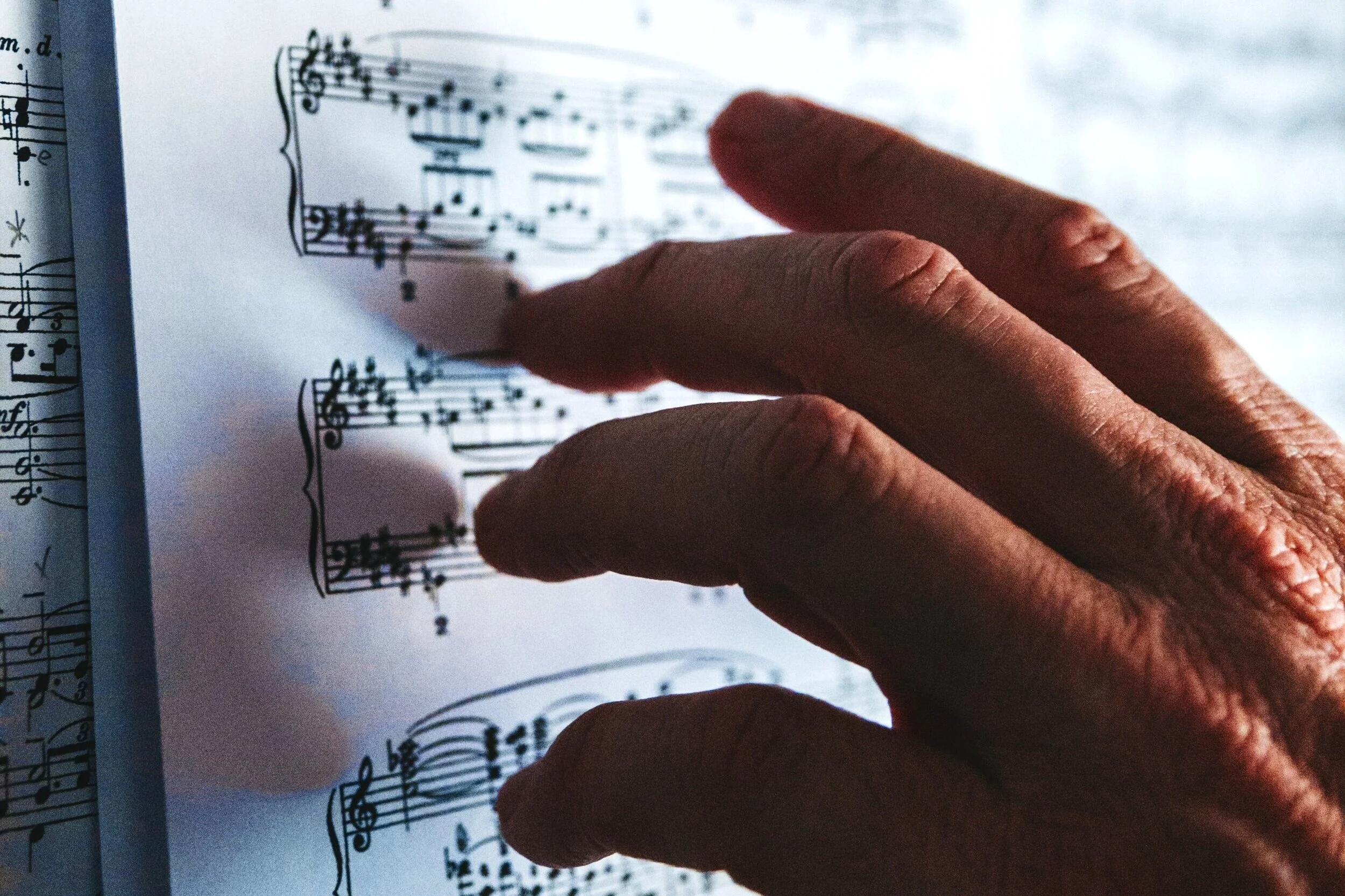
Feeling and thinking about and learning about the stories of being human that are hidden (or not so hidden) within the great works of art is something artists sometimes poo-poo as low-brow – but it’s the very foundation of what makes art great. It’s what makes artists fall in love with art in the first place, so it’s where you (as an art-loving newbie) should also start. Why? Because it’s not just a chance to understand the painting or piece of music or play better, but because it’s a chance to know yourself better.
When you watch a great work of modern dance with the understanding that the choreographer intended to convey his own experience as a black man in America, the work will speak to you. It will jump off the stage and grab you by the shoulders and either confront or embrace you. It will make you feel seen, or make you realize you’ve got a lot more seeing to do.
If you watch an opera about a person who is dying and who tries to spare their lover the pain of watching them fade away by instead breaking their heart first, you might see your own tendencies to push people away, or to reject your own vulnerability.
When you look at a (yes, beautiful) painting of the sea in the earliest hours of the morning, and it strikes you as hopeful and even daring, with the sun just emerging over the water and the birds circling and the waves brightly and enthusiastically crashing against the rocks, you might think about a journey you’re currently embarking upon, that you feel courageous about, and you might know you have what it takes to weather it.
When artists make art, even “pure” art, they make it from a miraculous place of body, mind, and spirit that aligns critical thinking and exceptional technical skill with the subconscious, the emotional, and even the divine. When we, as observers, listeners, and audience members, take that work in, we can go to that place the work was created from. We can raise our thinking and feeling to that level, and welcome incredible insight. And sometimes, yes, we might even just be struck by how incredibly beautiful something is, and surely there is plenty of room in the human experience for that as well. But – once in a while, we might see ourselves reflected back at us, from a moment of inspired creation.
And THAT is the one thing I want people to know about the fine arts.