



Become a Fan of Ballet in 3 Easy Steps

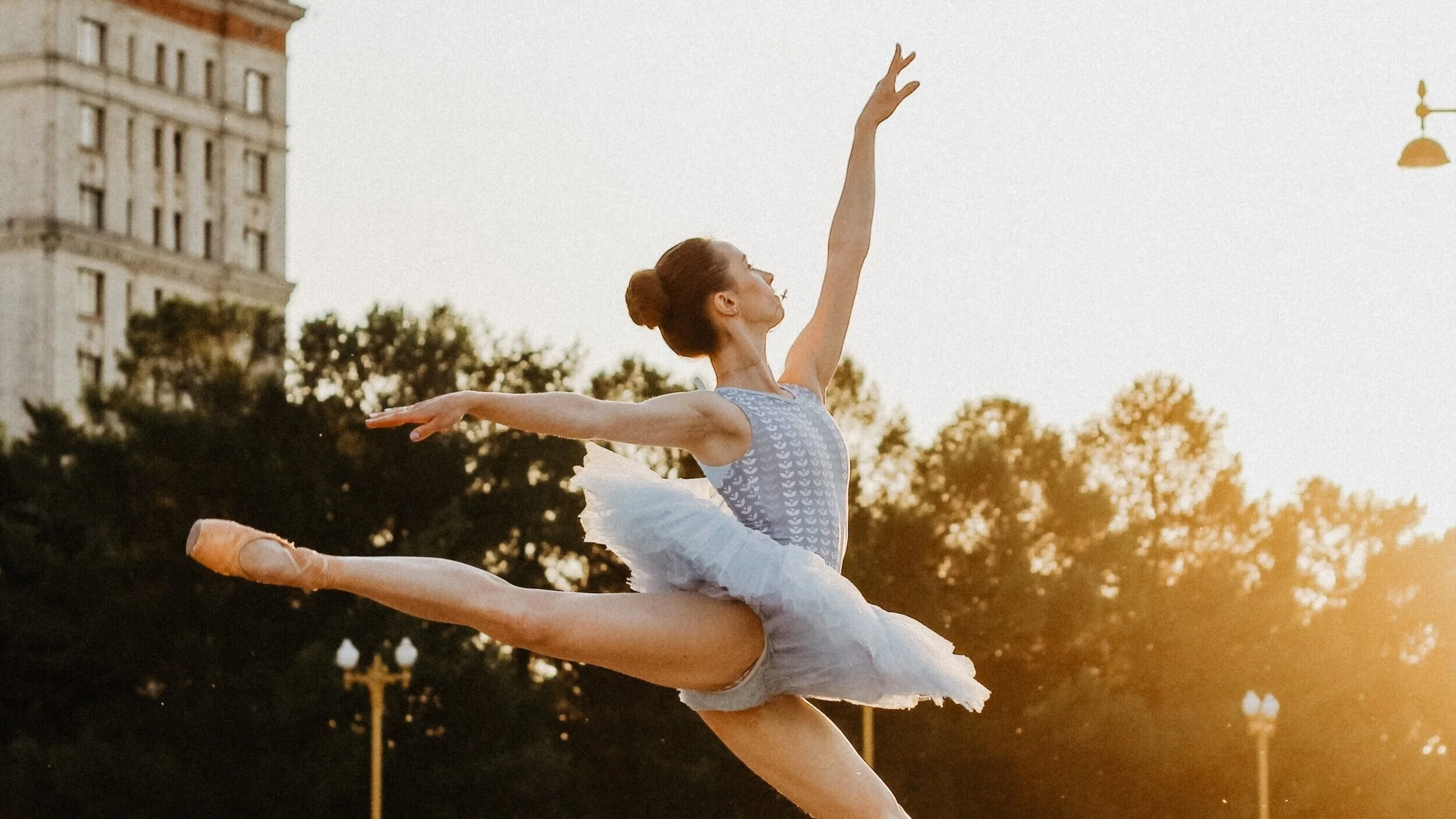
daria-rom-c-o7eQWFYk8-unsplash.jpg

People who have followed along for a while (or, especially, who follow me on Instagram) know that I’m obsessed with ballet (particularly classical ballet – the kind with the tutus and pointe shoes and stories about princesses and swans and all that good stuff). This is a new obsession for me, developed only over the last couple of years, which means I’m still on the learning curve, and I’m still in super-excited-new-learner mode. It’s magical.

I’m almost as obsessed with ballet as my husband is with baseball, and I’m noticing a lot of parallels. I’m coming to know the famous “players” and which “teams” they play for (the dancers and their companies). I know the standard “plays” (the groupings you always see and what they’re called – like the duet “pas de deux”, or the solo, known as a “variation”), and I’m getting to know the technical names of the movements and what exactly makes one dancer’s execution of a tricky move more spectacular than another’s. I’m also learning who the all-time greats are and why. Basically, I’m learning how to watch and talk about ballet, just like someone learns how to watch and talk about baseball.

So maybe you’re here because you’re like me and love all things artsy and want to expand the kinds of arts you love and understand and follow. Or maybe you have a budding ballet star in your family and you want to be knowledgeable about what they’re learning about and loving. Or perhaps you already love going to the ballet, you just want to dive deeper into why you love it (and sound smarter when you talk about it). All amazing reasons to dive into the world of ballet. So let’s get started.

STEP ONE TO BECOMING A BALLET FAN: JUST WATCH

If you’re here, you’ve probably already done this step. But just in case you haven’t, or in case it’s been a while, here it is: watch some ballet. Just watch! No homework other than enjoying either some live ballet in your city or binging some epic ballet videos on YouTube. Pretty fun homework, right? You don’t have to analyze what you’re seeing; you just have to watch and be delighted. 

But, of course, the classic question: where do you start? Well, if you have a ballet company in your city, lucky you! Google their next performance and buy a ticket (actually, buy two – going to the ballet is a great friend date or date-date, and I think that interesting people love being invited places they wouldn’t normally go). Regardless of whether you were able to score tickets for a live performance, dive into YouTube. We live in such an incredible time for the arts. You used to have to see ballet live or, at the very least, procure a recording from the library (if you could even find one). Now, every major company and every ballet star is on YouTube. So here’s where I would start:

If we think about our objective at this step – immersing ourselves in the world of ballet – there’s kind of no wrong place to start. That being said, if you’re going to start getting into anything, why not start with the greatest stuff? So here are 10 short amazing videos of huge ballet stars doing some of the most famous parts of some of the most famous ballets. I hope you love them as much as I do!

1. Coda from the Black Swan pas de deux from Swan Lake

(Perhaps the most famous moment in all ballet, when the dancer playing Odile, the Black Swan, does 32 fouettes – those are the fast “whippy” turns” – in a row without putting her foot down.)


2. Giselle Entree Willis 

(Aka, the part in Giselle with all the lady ghost-spirits)


3. Albrecht variation from Giselle

(One of my favourite male variations in the repertoire)


4. “Waltz of the Flowers” from The Nutcracker

(My favourite part of this iconic ballet)

5. Sleeping Beauty Rose Adagio

(A totally iconic scene where four suitors try to win Aurora’s affection)


6. Don Quixote Kitri variation

(Kitri is notoriously hard to cast because she has to be both incredibly vivacious AND catch giant air on her leaps. Plus, each of her variations has a different flavour, so the ballerina has to have mad acting chops.)


7. Romeo and Juliet balcony pas de deux

(I mean, does it get any more romantic?!)


8. “Kingdom of the Shades” from La Bayadère

(The most famous corps – that means “big group” – scene in all of ballet)

9. Swanhilda’s Waltz variation from Coppelia

(One of my favourite variations because of all the adorable character moments)


10. La Sylphide variation

(I just had to include this, even though it’s an audience bootleg, because it’s 19-year-old Canadian Shale Wagman, who just made a historical premiere in this role)


STEP TWO: LEARN THE BASICS

Learn some basics that will go a long way in helping you (a) know what the heck is going on in the ballets you watch, and (b) understand what makes ballet amazing.

So what do you need to know? Three big things:

1. PLOTS

Classical ballet is about storytelling, so it’s kind of essential that you “get” what’s going on in the ballet you’re watching. Sure, if you’re going to see a full-length ballet, you can pay attention and figure out the plot from watching (some of the time). But, lots of ballets are either (a) based on stories from earlier eras that we just aren’t familiar with anymore but that the choreographer in the 1800s assumed the audience would already know, and/or (b) are really (sometimes unnecessarily) complicated, with mistaken identities and plot twists and supernatural elements that are kind of hard to pick up on if you’re watching for the first time.

Which is why your “homework” for this part of step two is to read (or, frankly, skim) the plot of any ballet you watch BEFORE you watch it. To help, I summarized the most famous ballets in two sentences each HERE, but if you’re going to see a ballet live, you should at least read either the Wikipedia page or (much much better) the program notes before the show starts. It’s not spoilers – it’s a way to actually understand what you’re seeing and appreciate it so much more.

Plus, whether you’re just getting into ballet or you’re many years into a life-long love affair with the art form, you will often see just tiny snippets of ballets, either on YouTube, in recitals, or at special performances. If your kid gets up to do a the Lilac Fairy variation from Sleeping Beauty, it’s really nice to know what the plot of the opera is, where that variation happens in the story, and what the heck a lilac fairy is doing in the middle of an opera about a princess.

So, rule of thumb: read the plot summary for a ballet before you watch it.

2. TERMINOLOGY

Terminology is where a lot of people get turned off on the whole “become a ballet fan” thing. They see French and they’re like, “I’m outta here.” But don’t fear! You only actually need a handful of terms to get started, and once you know them, you’ll feel way smarter about your ballet fandom than you did before. Plus, you never have to say them out loud to anyone. There’s no test at the end of this post. No one at a performance of Swan Lake is going to make you say “fouetté” correctly (it’s basically fwet-tay). Knowing the terms just helps you feel knowledgeable about what you’re seeing, and helps you read about the art form, watch videos from ballet companies and dancers about what they’re doing, and actually get what a reviewer or competition judge or your kid’s ballet teacher means in a critique.

So here are the basics. Every move in ballet has a French name. You don’t need to know the VAST majority of terms, except when you pick them up for fun.

What you do need to know are:

  • Variation – a solo.

  • Pas de deux – a duet (you might see this abbreviated “pdd”).

  • Corps de ballet, or just Corps (pronounced like “core”) – the chorus, or main group of dancers.

  • Ballerina – a female ballet dancer.

  • Danseur – a male ballet dancer (but people also just say “male ballet dancer”).

  • Principal – the highest rank for a dancer in a ballet company, they perform the main roles.

  • First soloist – the second highest rank in a company, they do featured solos and smaller roles.

  • Balletomane – a person who, like, really loves ballet (as in, a “ballet maniac”).

  • Choreographer – the person who decided on the steps for the dancers to do.

  • Company class – ballet class that the dancers of the company attend, focussing on technique, not choreography.

  • Barre – that long wooden, well, bar that ballet dancers hold onto when they practice; part of class is “at the barre”.

  • Centre practice – the part of class not at the barre (i.e., in the centre of the room).

  • En pointe – up on the tippy toe part of pointe shoes.

  • Adagio – a series of slow, graceful movements dancers do to improve their strength, flexibility and fluidity. An “adagio” can also be a section of music (the word “adagio” is a tempo, or speed, marking in classical music, and can demarkate a whole slow section).

The rest, really, are all technical movement names which, frankly, you can pick up over time or, honestly, never. There are the five positions of the feet (https://www.youtube.com/watch?v=1fSa3ESmA1s) and arms (https://www.youtube.com/watch?v=S5HwZJQ8NuA), which are fun to know, and then you’re into the giant list of technical names for each movement (American Ballet Theatre has a phenomenal ballet dictionary with recordings for pronounciation here: https://www.abt.org/explore/learn/ballet-dictionary/).


3. KNOW HOW BALLET “WORKS”

So, some people might disagree with this one, but me – I like to know about the whole ballet industry/system/business. Just like you would want to know that the sport you like has a “salary cap” (which means that each team can only spend a certain amount, which means everyone gets the same budget for superstars), or that players can be traded but only during certain times, or that the worst team gets the first pick of new rookies the next year, I think it’s helpful to know how ballet “works” to better appreciate and understand what you’re watching.

First, it’s great to understand just how much goes into making a world-class ballet dancer. If you have a friend or family member who is hardcore in ballet, you already know at least the first part of this. Many children who are really into ballet (slash, dance in general) take class every day, training across all styles (ballet, jazz, hip hop, etc.). Promising dancers might stick it out in normal high school, training intensely every day after class, or they might go off to a dance academy (like a boarding school), where they complete their high school requirements but spend most of their time dancing. Sometimes, teens even move to a different country to complete this rigorous training. Hello, early adulthood.

Aspiring ballet dancers also do summer training at various programs, usually in other cities than where they’re from, so they can get exposure to other companies, bigger teachers, more specialized training, etc., and that starts way early in adolescence. 

So against that backdrop, you can get how ballet dancers are often compared to elite athletes. Cue the start of professional careers, where dancers audition for companies, try to get into the corps (remember, that’s the big group of dancers in the company, not the soloists), then try to work their way up, either within that company’s ranks, or to bigger and bigger companies. The work is gruelling – very few days off, very long days, and often (but certainly not always) low pay (which many dancers supplement by teaching, making their days and weeks even more jam-packed). 

Dancers’ schedules are crazy (it’s actually a part of ballet I’m most fascinated by). A typical dancer’s day starts early in the morning, and includes a strenuous workout (often a mixture of strength conditioning and injury rehabilitation), company class (where all the dancers from the company take a technical ballet class together), multiple rehearsals for different ballets (a big company will have multiple shows running concurrently or very close together, so they have to rehearse several shows at once), costume fittings, then the dancer does his or her own makeup and heads to the stage for a performance. 

What else can I say? The business of ballet is fascinating – what a company programs (that means, which ballets they decide to put on for the season), which dancers get promoted, which soloists are suddenly super hot and invited to make guest appearances at all the big companies… it’s actually a really fun industry to follow in the news and reviews. Plus, there are only a few huge companies to keep tabs on, so it’s definitely not overwhelming (the Bolshoi, the Mariinsky, Australian Ballet, American Ballet Theatre, Royal Ballet, National Ballet of Canada, Teatro La Scala, and Paris Opera Ballet come to mind, but a fulsome list would include a few others). 

4. FOLLOW THE STARS

Now is also a great time to become a ballet fan because: INSTAGRAM. A ton of ballet stars are on IG, and the ones who aren’t very active still pop up all the time on amalgamated fan accounts. There is SO MUCH ballet on Instagram I can’t even tell you. Follow the biggest ballet stars and you’ll get a daily dose of ballet marvellousness, you’ll start to learn the biggest roles and variations, and you’ll feel super in the know by having very up-to-date knowledge about the ballet world.

Here’s who you should start with:


STEP THREE: KEEP WATCHING

Remember how fun Step One was, where you just watched YouTube videos and bought tickets to the ballet? Now you just do that like, forever. The more you watch and read, the more you’ll learn, and the more you learn, the more you’ll understand and appreciate about what you see when you watch. That’s why they call it “arts appreciation” – because you aren’t just passively taking in what you see anymore, you’re actually appreciating (i.e., getting) what’s going on and why it’s awesome. So keep watching online, follow along on Instagram, Google when you don’t understand a term or know a plot or when you’re curious about something you see, and definitely, DEFINITELY see some ballet live and in person as soon and as often as you can. And if you have a budding ballet star among your family or friends, support them by showing your interest! And let other people know about your new obsession. You never know when a friend might be a secret balletomane as well!

Where to actually start if you want to start listening to classical music

mark-solarski-T3mKJXfdims-unsplash.jpg

One of the most common questions people ask me is this: “I want to get into listening to classical music. Where do I start?”

I’ve covered this topic in a general manner in the past (like here), but sometimes it’s most helpful to get actual, concrete advice for starting a smart hobby. Classical music is incredibly vast – that’s what makes it seem intimidating to people who are new to it. It can seem like there are so many composers, and each composer wrote so many pieces… where would someone even begin listening?

I’m going to let you in on a secret. Yes, there are tons and tons and tons of classical music composers, both living and dead. TONS. And yes, the particularly prolific dead ones wrote hundred and hundreds of pieces of music. But here’s the secret. If you wanted to learn about, say, The Beatles, you wouldn’t start with the deep cuts, right? You’d start with the greatest hits collection. 

To get into listening to classical music, you start with the greatest hits.

This is actually a pretty controversial opinion at the moment. See, lots of music academics and advocates are doing really great work to break down the patriarchal and colonial walls within music history, and make room for more diverse voices – not just now, but from all of history. Amen to that – I am 100% here for it. And a lot of those people think you should start with less appreciated/less well-known composers and works in order to rebuild that system. To that I say, it’s a great idea, but if you would like to start enjoying classical music today, it just makes good sense to start with the most beloved/celebrated/cherished pieces of music. It just does. So let’s do it.

Some notes about my list

I’ve pieced the following list together from several sources, including published lists of the most commonly performed orchestral repertoire (translation: which pieces of music symphony orchestras play the most), arts publications’ lists of “starter” or “essential” classical music, and a list of my own personal favourites. 

I’ve excluded art song (that’s classical music for a singer, usually with piano), opera, and choral music, since the integration of text and music requires a different type of listening (as a singer, trust me, this exclusion pains me!). I’ve also left out Early Music (that’s music written during the Middle Ages and Renaissance) as well as most 20th and 21st century music (much of which is experimental, experiential, or avant garde in nature, which also requires a much different type of listening and definitely a different mindset). Those are the areas one would expand their musical journey into based on their interests, but I don’t think they’re the place to start.

I’ve tried to hit the biggest names, and also not repeat composers. I also tried to stick to a short-ish list, so I’ve gone with 30 works. Unfortunately, this results in a GLARING problem that I would like to acknowledge up front…

There are no women on the list, and no people of colour.

This is clearly, CLEARLY a huge problem – the type of problem musicologists are working to remedy (as I explained above). But I really, sincerely want you to start with the basics – what you’re likely to hear if you go to a concert or turn on classical radio. So I’ve made two lists: 30 essentials, plus 10 “should be essentials” by composers from historically underrepresented groups that are quickly getting much-deserved concert time. 

How to Listen

I’ve written before about tips and methods for listening to classical music (here, here, here), but for present purposes, let me say this: there is no wrong way to listen to classical music. Listen however you listen to popular music. Listen in your car. Listen in your headphones on your commute. Listen at work. Put it on in the background at home. Put it on and close your eyes and listen intensely. Watch on YouTube. Literally, whatever. There is no wrong method.

lee-campbell-GI6L2pkiZgQ-unsplash.jpg

My Playlist for Getting into Classical Music

Get hyped!

So without further ado, here are the 30 pieces of music I would tell a friend to start with if they want to start listening to classical music. Every musician or music lover would make a different list, so once you’re through with this, keep exploring. And as soon as you can, go see some classical music live. Nothing – and I mean NOTHING – compares to live music. Each has a YouTube link to a great recording, but since these works are super popular, you can find all of them on your streaming service of choice if you’d like to listen away from YouTube. Onward!

30 Essential Works of Classical Music for a New Listener

  1. Pictures at an Exhibition, by Modest Mussorgsky

  2. The Firebird, by Igor Stravinsky

  3. Bach Cello Suite no. 1 in G Major

  4. Tchaikovsky’s 6th Symphony (“Pathetique”)

  5. Mozart Symphony no. 40 (the “Great G Minor”)

  6. Beethoven Piano Sonata 106 (“Hammerklavier”)

  7. Schubert’s 8th Symphony (“Unfinished”)

  8. La mer, by Claude Debussy

  9. Pines of Rome, by Ottorino Respighi

  10. Rhapsody in Blue, by George Gershwin

  11. Shostakovich String Quartet no. 8

  12. Appalachian Spring, by Aaron Copland

  13. Grieg’s Piano Concerto

  14. Schubert String Quartet no. 14 (“Death and the Maiden”)

  15. Chopin Nocturne op. 9 no. 2

  16. Symphonie Fantastique, by Hector Berlioz

  17. Haydn String Quartet op. 73 no. 3 (“Emperor”)

  18. Also sprach Zarathustra, by Richard Strauss

  19. Beethoven’s 9th Symphony (which you know as “Ode to Joy”)

  20. Adagio for Strings, by Samuel Barber

  21. Mahler’s 2nd Symphony

  22. Mendelssohn’s Violin Concerto

  23. Brahms’ Violin Concerto

  24. Rachmaninoff’s 2nd Piano Concerto

  25. The Four Seasons by Antoni Vivaldi

  26. Elgar’s Cello Concerto

  27. Liszt’ Piano Sonata in B Minor

  28. Concerto for Orchestra, by Bela Bartok

  29. Dvorak String Quartet op. 96 (“American”)

  30. J.S. Bach Goldberg Variations

10 Works that Should Also be Essentials

As a note, since many women and people of colour were denied access to musical training, or to professional work, many of the finest composers from underrepresented groups are from the modern era. This means that many of their works are in the experimental/avant garde category I promised to avoid for now. As well, many of the finest contemporary composers from these groups are composers of vocal music and opera, which I’m also omitting for this post. Nevertheless, here are 10 GREAT works that either are at the fringes of the classical canon, or neglected completely, but all of which should be squarely thought of as classics.

  1. Fanfare for the Uncommon Woman, by Joan Tower

  2. Clara Schumann’s Three Romances for Violin and Piano

  3. Fanny Mendelssohn’s Piano Trio op. 11

  4. Florence Price’s 1st Symphony

  5. Gaelic Symphony, by Amy Beach

  6. Suite de “La Remambaramba”, by Amadeo Roldán

  7. Jennifer Higdon’s Violin Concerto

  8. Samuel Coleridge-Taylor’s Nonet in F Minor

  9. Sinfonia (for Orbiting Spheres), by Missy Mazzoli

  10. Lilacs, by George Walker (ok, I cheated… it’s for singer and orchestra)

The Art of Reading Plays and Training Your Brain

ben-white-1MHU3zpTvro-unsplash.jpg

Did you have to read Romeo and Juliet in high school? Of course you did. We all did. Maybe you also read Macbeth or Hamlet. Perhaps if you had a really great high school English teacher, you might even have taken on one of Shakespeare’s comedies, like Twelfth Night, or A Midsummer Night’s Dream. Do you remember studying that play as a positive or a negative experience? Do you remember it at all?

I was one of the rare souls blessed to have an incredible high school English teacher (well, I had him twice and he was phenomenal… the other years were… unfortunate). In his class, I delighted in reading plays. He was so methodical in teaching them – making sure we actually understood every innuendo, every double entendre, every instance of foreshadowing, metaphor, and symbolism. Those classes were very formative for me, not only because I developed a love of literature through his teaching, but because I came to understand how learning slower and more deeply results in a way different type of knowledge than quick memorization. 

Reading plays, like reading great works of literature, is tricky business, which is why most people think they don’t like it. It’s a skill that requires focus, curiosity, humility, creativity, and openness. As you read a truly great play or novel, you need to be open enough to allow the characters and settings and events to build themselves up in your mind’s eye. This requires suspension of disbelief, a cache of reference points, attention to the details the author or playwright gives you, and a willingness to not have all the pieces perfectly together right away. You also need to be humble enough to stop when you don’t understand something and go look it up (made infinitely easier by Mr. Google), or shelve it in your mind until you start to understand it better through context. You also need to read deeply – no distractions for at least a few minutes at a time (something we’re not all great at now that our phones poke and prod us every few moments).

Reading a play is a particularly fascinating exercise in training different parts of your brain, with the added benefits of (a) actually enjoying what you’re reading while you do so, and (b) the deep sense of satisfaction and accomplishment one gets at the end of tackling a challenge you don’t take on every day. 

So, here’s how I read a play. It’s not fast, it’s not easy, and it’s definitely not sexy (well, it depends what your definition of sexy is… I actually think a highlighter and voluntary research are VERY sexy). What it is, though, is deeply rewarding. It’s a marvellous thing to do on a weekend morning, or stretched out over several evenings. And it’s particularly wonderful if you can follow it up by seeing the play in person (it is so delightful to sit down for a play with the excitement of knowing all your favourite parts, and wondering how the actors and director will have infused their own interpretations into the words you already love – trust me). 

HOW TO READ A PLAY

1. Pick what to read

Obviously this is a tricky part, so I’ve created a system for you. First, pick an era you love. What the hell do I mean by that? I mean, do you love movies set in the Renaissance? Do you love British novels from the 1800s, like those of Jane Austen and the Brontë sisters? Do you hate that stuff, and only like books, TV shows, and movies from about 1950 on? There is literally no wrong answer. Pick your era, then go to this list from The Guardian (arranged in chronological order by playwright) and just pick one from the years you tend to like. I particularly love novels, music, and art from the first half of the 20th century (for example, John Steinbeck is my favourite author), so I would look at all the plays from around that time. Two of my favourite plays are in that block – A Raisin in the Sun and The Crucible – so I know I’m in the right place to find a new read. Grab the title of a couple and hit up Google. All you need is a one sentence summary to know if something is up your alley. Or, alternatively, just pick a famous play you know the title of (like Who’s Afraid of Virginia Woolf, or The Importance of Being Earnest) and go for it (you could start with this post of 10 uber-famous plays). (Or, check out this post I wrote on famous plays that were made into great movies. Or, if you like contemporary films/music/art/politics/activism, check out this post on amazing living playwrights.)

2. Buy a hard copy

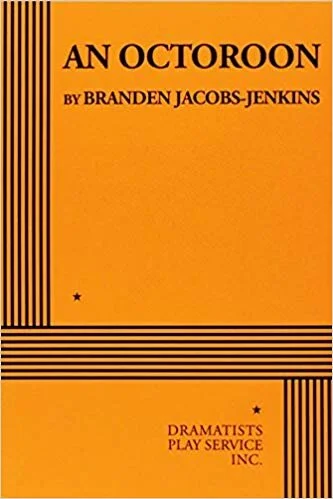
If you follow me on Instagram, you know I’m a library fanatic. And the library can be a great place to get dramatic works in print, especially university libraries (hot tip: university libraries tend to be better for everything other than current titles and fun, casual stuff like cookbooks, so it’s always nice to have two library cards – one for the public libraries of your city, and an alumni or community card for your local university. Nerdy sidebar over.) But, my love of the library aside, a play is a wonderful thing to get in hard copy. They’re often very short in print, making them a lovely size to hold. And, I have this crazy affinity for the look of the plays published by Dramatists Play Service Inc… they’re so charming. Plus, plays tend to run you only about $10.

41EHy8KlaNL._SX331_BO1,204,203,200_.jpg

3. Get your stationery ready

If you’re as gleefully nerdy as I am, you’re probably already pumped about this one. That’s right, friend – grab your implements of choice (in just about everything involving quotations and marginalia, I use my law school go-tos: a mechanical pencil, a Sharpie pen, and a yellow Staedtler highlighter, plus cute Post-it flags), and tentatively decide how you would like to mark up your play as you read. I use highlighter for lovely turns of phrase, good jokes, the really devastating lines… basically anything quotable. Plus, having a highlighter reminds me of highlighting my own lines, first in high school theatre and then throughout my opera training, which gives me the warm fuzzies. The mechanical pencil is for random thoughts, boxing around chunks of interesting text, and making little diagrams and doodles (sketches of parts of the set, for example, or a drawing of a costume described in the script). The Sharpie pen I use mostly for notations beside anything I highlight, and the flags are for my favourite parts.

4. Optional: Google the plot of the play before you start reading

Either you’ve just recoiled in horror (as I personally do at this suggestion), or you’re like “yup, definitely doing that.” A friend of mine reads the end of every novel she starts first so that she knows where it’s all going (and, as she once pointed out, if she dies partway through the book, at least she knows what happens). This can be an especially helpful tip if you’re reading Shakespeare or his contemporaries, any of the ancient Greek plays, or any avant garde contemporary works of theatre. In short, anything that might be especially challenging to read. If you know the general arc of the story first, who all the characters are, and what the main settings will be, you can focus on learning the language, looking up specifics, and actually digging into the meat of the play, rather than scrambling to get any sort of foothold you can. And some people like this approach for all plays. As I say, you do you.

5. Tuck in

And now the fun part: the actual reading. Read slowly. Re-read. Read scene by scene, and make sure to read not just the lines, but also the stage directions and other instructions from the playwright (including those at the beginning about character descriptions, set, costumes, etc. – this is part of what makes reading plays so fascinating). Try thinking like the director. Try thinking like an actor. Try to hear each voice and envision the action. And when you don’t understand something, whether it’s actual language or how a character has wound up on the other side of the stage when you were sure they weren’t there a second ago, stop and re-read. Think about getting to know the play, rather than just getting through it. Like I said, plays are actually quite short, so take your time and really enjoy it. And mark it up! I feel so much more connection to something I write in than something I leave pristine, but, as always, you be you.

6. See if there’s a video version or, even better, if you can see it live

Look. There are a lot of plays out there, and the chance of a specific one being produced in your city soon after you read it is… negligible. Of course, you could reverse engineer this whole process to pick something that’s coming up (a totally wonderful option, but which might result in you reading a play not well-aligned with your existing tastes and interests), or you can use the miracle of the internet to see if you can find a recording of the play you’ve just devoured. Copyright and royalties being what they are, it is often slim pickings. But depending which play you’ve chosen, there might be full-length film versions, or there might be filmed stage versions (way better). Often these are at – you guessed it! – the university library! So have a sniff around and see what you can find. It’s SO worth it to watch a play after you’ve done a deep dive, you have no idea.

And that’s how you read a play! I hope you try it out to stretch your creative brain, train your focus muscles, and enjoy the sweet satisfaction that only comes from highlighters.