






How to Really Enjoy Going to The Nutcracker

The-Nutcracker-Ballet-Photo-Free1.jpg

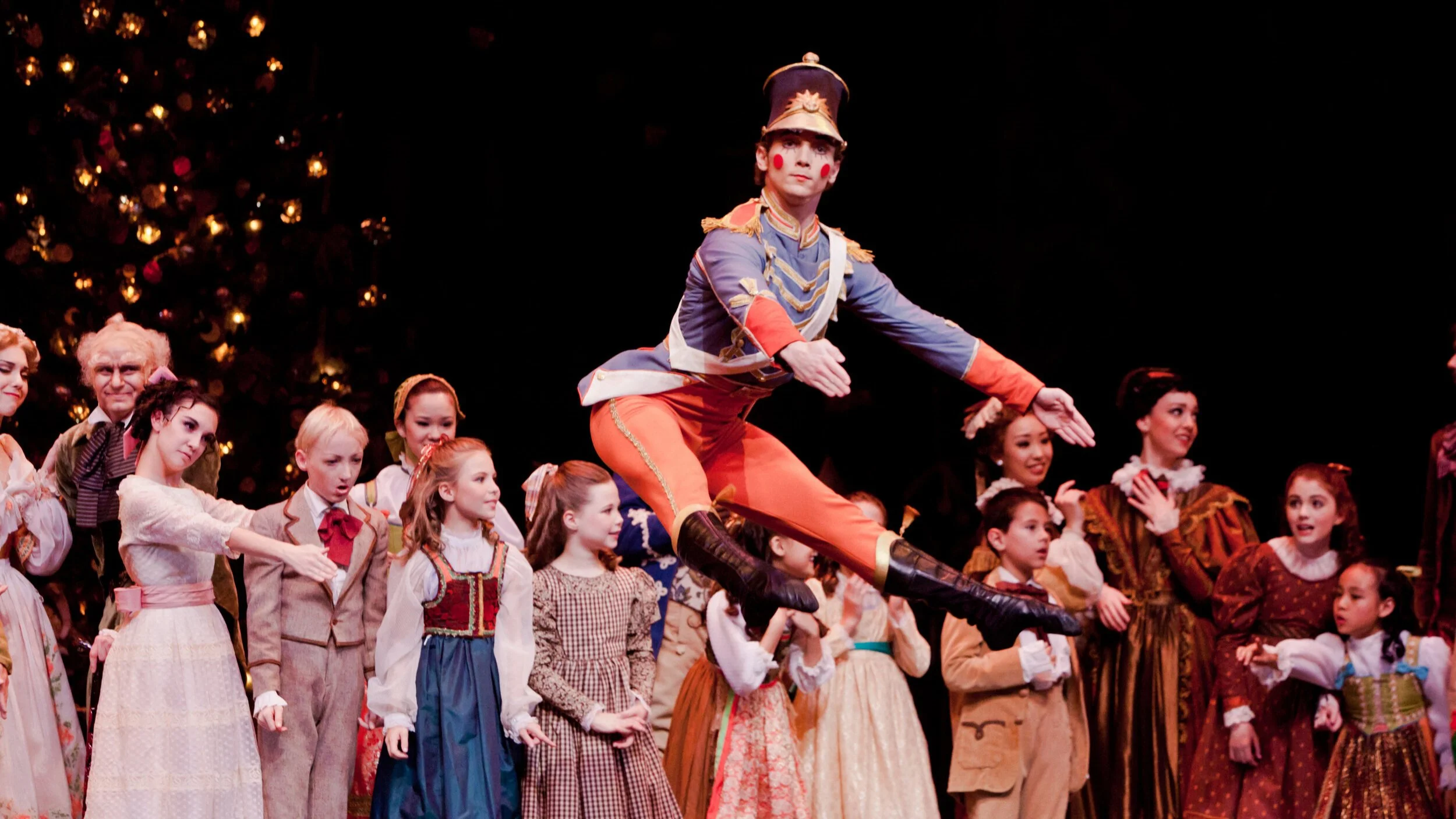
IT’S NUTCRACKER SEASON, Y’ALL! That means it’s time to talk about one of my favourite topics… how to go to the ballet (and actually LOVE it). The Nutcracker is by far the most-performed ballet, so if you’re going to see something, why not make it this beloved holiday classic?

Before I dive in, perhaps you arrived here because you already adore ballet. Maybe you’re super stoked about going to The Nutcracker for the thousandth time. Maybe you’re going for the first time, but you’re STILL super stoked. Or, perhaps – just perhaps – you feel like these guys:

Going to the ballet gets such a bad rap. GAWD, how can you make fun of a delightful story with some of the greatest music ever written?

Well, if you’re here because you’re a little skeptical but someone is “making you go” to the ballet this winter, or if you just don’t KNOW how to enjoy going to the ballet, let me walk you through it, using the Nutcracker as an example. Here are…

Five Easy Steps to Really Enjoy The Nutcracker

1. Skim the plot ahead of time

This seems counter-intuitive, because: if you’re worried about being bored, wouldn’t you want to be surprised by the plot? Nope, and here’s why. People who love The Nutcracker already know the plot, because they’ve seen it lots of times. Because they know what the ever-loving heck is going on, their minds don’t drift when the plot gets a little fuzzy (which, spoiler alert, it does in pretty much every ballet because there’s no talking). So here’s the plot of The Nutcracker at a glance for you to skim before you go. Then, when you get to the show, read the plot summary in the program to refresh your memory before the curtain goes up.

I love these super short videos from Ballet Austin summarizing each Act (which makes it way easier to remember). The videos together are only three minutes total, and do a great job of summarizing the whole ballet. But for the SUPER impatient among you, here’s the ultra-simplified synopsis:

  1. There’s a Christmas party, where the main character (Clara) receives the gift of a wooden nutcracker.

  2. She has a dream that The Nutcracker becomes a handsome prince, with whom she has three adventures: fighting the Mouse King and his army, seeing dancing snowflakes and the snow King and Queen, and going to the court of the Sugar Plum Fairy.

See? not so complicated. Girl gets present, girl falls asleep and thinks present is a real person, girl has elaborate dream sequence. If you miss the whole “it’s a dream” thing, or think each dance during the dream is telling a story, I can see why you’d be confused. After the fight with the Mouse King, it’s all basically just an adventure Clara and The Nutcracker go on where people dance for them.

2. Make a night of it, but don’t overdo it before the show

Here are the two mistakes I see a lot of beginner ballet-goers (and concert-goers, and theatre-goers) make: they either (a) don’t make enough of a special thing of it, or (b) overdo it before the show. Here’s what I mean. If you don’t go to the ballet or the symphony or the theatre often, you should make a night of it when you do (or an afternoon of it, if you go to the matinee). What do I mean? First, dress up (my rule of thumb is to wear what you would wear to a nice meal at that time of day in that area of the city – so evening performance = what you would wear out to a nice dinner downtown). Snap a selfie with whoever you went to the show with (you’ll look so classy on your Instagram, and if it’s with, say, your Grandma, you’ll also cherish the memory). 

Second, bundle the performance with a meal or drinks or dessert before or after. Really make a special event of the day (which can even be on the cheap – my dad used to drive us through McDonalds after going to a performance of any kind, even if it was really late, so we could stay up and talk about what we saw). However, you do need to avoid the potential pitfall here, which is… overdoing it. You know why so many people fall asleep at the ballet or the theatre? Because they had a huge meal with dessert and two glasses of wine at the restaurant right beforehand! My favourite pre-show dinner is sushi (nice and light, but filling enough that you won’t be hungry), and my favourite after-show ritual is tea and dessert at any restaurant in walking distance (or, if Ryan was performing, usually beer and nachos). Make. An. Event. Of. It!

3. Plan ahead for intermission

My hot tip for ballet (and music, and theatre) newbies is that most theatres allow you to pre-order your drinks for intermission (and some even let you bring them into the hall). You just walk up to the bar before the show and order and pay for your intermission drinks ahead of time, then when the intermission starts, the bartenders will have lined up the pre-ordered drinks with their receipts all ready to go. That means no waiting in a big ol’ line, then chugging a chardonnay to get back to your seat before curtain. My other intermission must-do is to hit the washroom AS SOON as intermission starts. Bolt from your seats and have a visit to the loo even if you’re not sure you have to go. Because once you stand around in the lobby and decide, the lines (for the women’s rooms especially) are usually a little crazy. Go right at the beginning for zero wait time, then grab your drinks from the bar when you come out. Boom – intermission, mastered.

4. Know what to look at, when

The reason ballet can get boring is because, if you weren’t a dancer, maybe you don’t really know what to focus on, so you slowly start to tune out. Switch to active viewing to stay engaged and get way more out of what you’re watching. Here’s how I do it: first, I watch for plot. I know basically what’s going to happen, so now I’m following the characters around the stage and seeing exactly what’s happening as it happens. Then, if there’s a scene where the plot isn’t moving forward much (which happens when there’s a beautiful solo or an ensemble number), I watch for choreography. What do I find interesting? What do I find really pleasing to the eye? Do I think it’s neat how the movements line up with the music? Follow the shapes each dancer makes individually, as well as the shapes made by the group, and just have a sense of wonder.

Then – I’ll be honest with you – I do get a little bored sometimes. Everyone does. Which is when I look at a few more random things. Which dancer in the ensemble do I think is most talented and why? (Maybe one just seems more technically “good,” or one has better stage presence). What do I think of the costumes and set? Have I even noticed everything there is to notice about what’s on stage? Finally, if I’m really not feeling a particular scene, I watch the orchestra (you can see them, even though they’re often tucked partway under the front of the stage). It’s just like watching a symphony concert – two shows in one!

Finally, what I love to tell especially classical music and dance newbies is this: I go to performing arts performances all the time, and I zone out sometimes. Ok, I actually zone out a bit quite often. I used to beat myself up about this, because, as an “educated” connoisseur of the arts, shouldn’t I be extremely engaged all the time? Naw. No shame in this game. I think the arts are meant to be enjoyed on different levels, one of which is subconscious. I’ve had some of my best ideas come to me during performances. I once had someone tell me how much they enjoyed seeing older people fall asleep during concerts (which absolutely happens) because maybe it’s going to be a great rest for them when otherwise they have trouble sleeping. I don’t recommend active napping (you paid good money for this! And it’s amazing!), but don’t feel bad if your mind wanders a bit – just let it happen, and keep watching and listening. You might be surprised what pops up for you. And since you know the plot now, you can tune back in when the action picks back up.

5. Talk about it after

I think it’s so important to lock in the memory of going to a performance of any kind by talking about it after. If you went with a date, talk about your favourite parts immediately after the show. If you went with your kids, ask them what they liked best – who was their favourite character, which costumes did they like the most, did they enjoy it? Then think about it later yourself. The Nutcracker isn’t a profound work of high art; it’s a fun, fantasy romp, and it’s meant to be light and delightful. But that doesn’t mean you won’t have seen things that fascinate or inspire you. What struck you as really interesting? What moments captivated you, and why? For me, this can be a huge source of insight. For example, when I was in my corporate job, I was often so moved when I saw people expressing their abilities to their full potential. Um, hello, that’s what I needed to be doing more.

And finally, talk about the show the next day at work or at school or at mom’s group or whatever. First of all, it makes you sound classy as hell, and it can be really nice to add a bit of a fancy feather in your work or friend circle cap. Second, it shows your support for the arts in your community, and demonstrates to others that it’s actually really easy to “be cultured” and take in the arts. And finally, it can spark some really interesting conversations about what other people might be going to see this holiday season, and you might just pick up some more awesome date night/family-day-out ideas along the way.

So go see The Nutcracker! You’ll (actually!) love it!

I hope this has gotten the hyped among you even more hyped… and for the skeptics, I hope it’s given you some tools and tactics to arm yourself with so you don’t end up strolling the lobby hoping to find a TV like those Straight No Chaser guys.

Happy Nutcracker season, everyone!
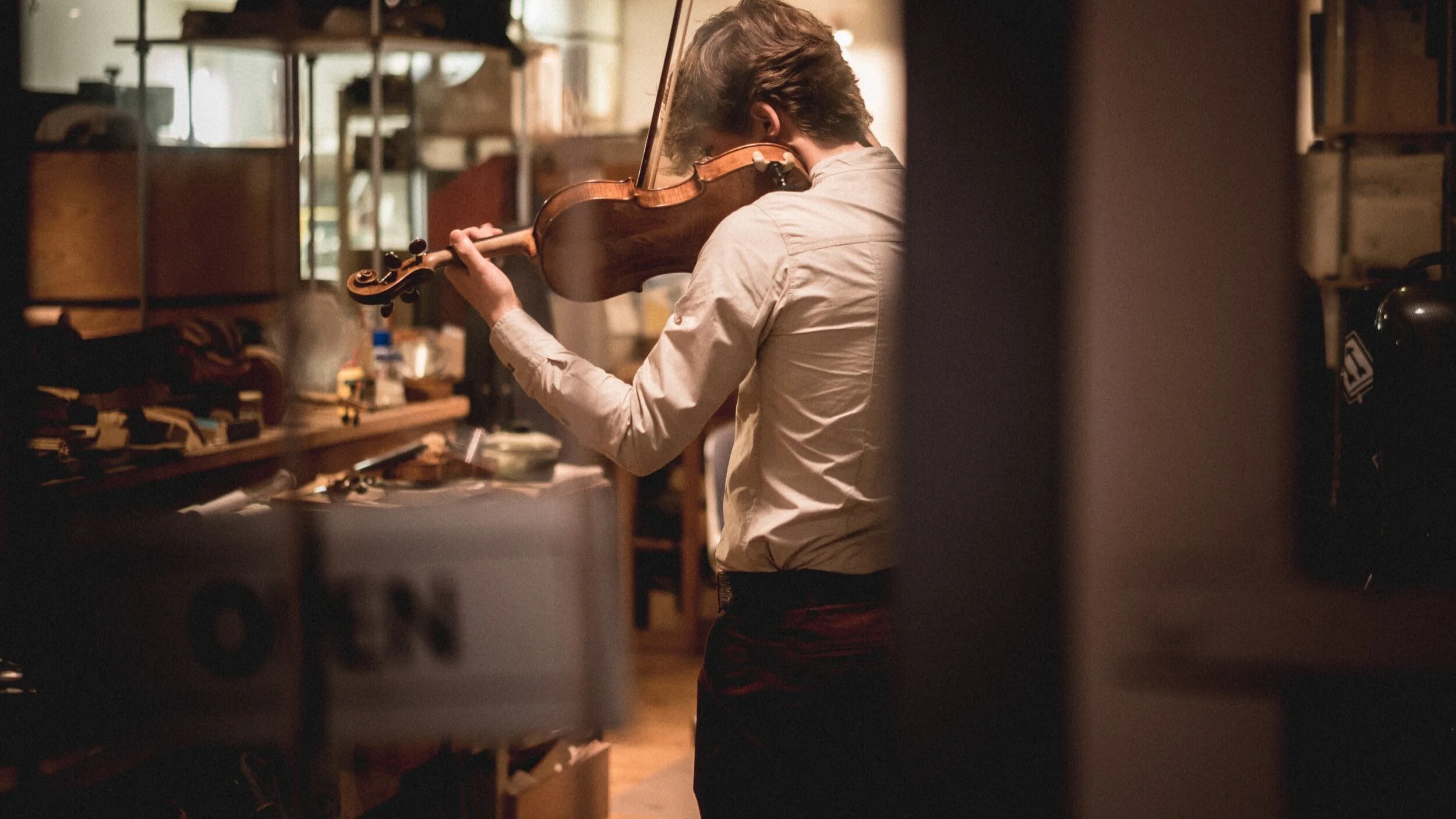
What it's Like to be a Professional Classical Musician

patrick-schneider-lBZKn4a8Qmg-unsplash.jpg

One of the things I find most interesting about the fine arts is that they’re really mysterious to people outside them. When I tell people I used to be an opera singer and my husband is an orchestral trumpet player, they look at me like I just told them I make potions in my gingerbread house for a living. Jobs in the arts are just like other jobs: there are real, actionable, sometimes winding and sometimes straight paths to get them. And treating arts jobs as “out there” is a very North American construct that isn’t helpful to fostering creativity in our communities (let alone in the minds and hearts of individuals who would really like to pursue them).

We just got back from our hometown of Saskatoon, Saskatchewan, where Ryan was playing a concerto (that’s a solo in front of a symphony orchestra if you’re new here). As part of that engagement, he was also giving a series of talks to high school and university students about not just becoming an orchestral musician, but about following your curiosity and enthusiasm toward any career. I love this talk that he gives, because kids (and, let’s be honest, adults) are always amazed that something that sounds kind of pie-in-the-sky like “becoming a professional trumpet player” is actually almost as straight-forward as becoming something like a doctor or engineer.

So today, I’m going to tell you what the path to becoming a professional musician actually looks like. My hope is that (1) you might find out a little more about the world of classical music, and (2) that you might find some inspiration for your own main gig or side hustle path and see that, even when something creative and artsy and inspired sounds kind of crazy, it’s often actually pretty do-able.

To lay the groundwork, why don’t I tell you where Ryan and I got our classical beginnings…

Our very different musical beginnings

ivanna-blinova-UA76cH4JBHM-unsplash.jpg

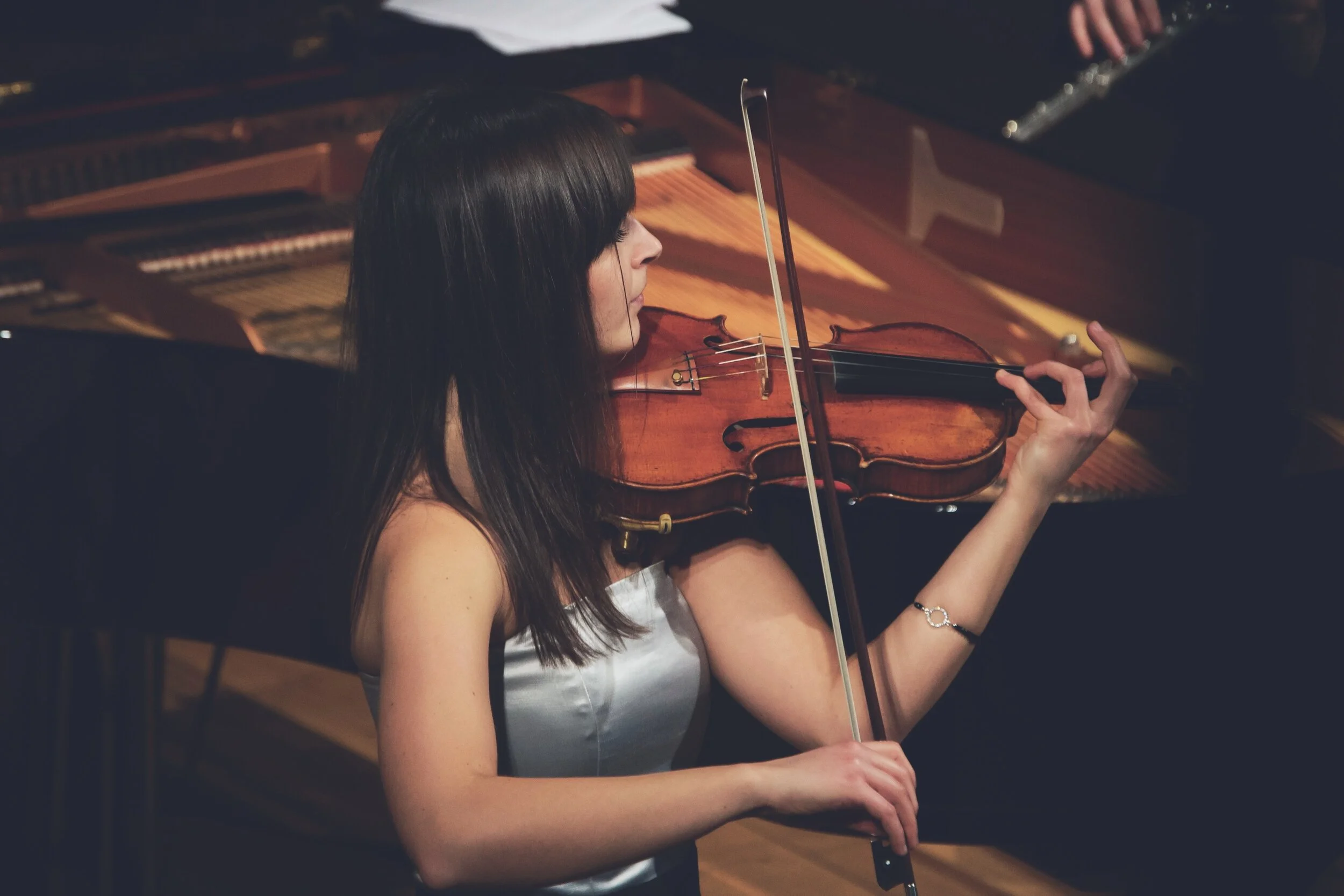
First, the road to classical musicianship. As I said (and as many of you already know), I trained for many years to become a professional opera singer. I have both a bachelor’s and a master’s degree in opera performance. My husband, Ryan, is a professional orchestral trumpet player – his full-time job is playing in a symphony orchestra. Here’s how we got there.

Ryan’s and my paths to being professional musicians looked, well, a little different… at least at the beginning. I started piano lessons when I was five after falling in love with an old piano at some random relative’s house. I was a super piano keener, and excelled at music from the time I was really little. I sang in school choir from grade one on, joined band in grade six (first on flute, then bassoon, then trumpet, then percussion and french horn in high school, because I got bored each time I got too far ahead of the other kids…). In high school, I was big into musical theatre, kept playing piano at a high level, dabbled in classical guitar, played in jazz band, started taking formal voice lessons, and also joined a super elite girls choir that did long tours abroad and won international competitions. From there, I decided to major in music (after bailing on going to Harvard for an English degree… another story for another day), and settled on being a voice major (rather than major in piano, so that I could keep my non-university piano teacher and possibly capitalize on my super-loud voice/personality). That’s when I met Ryan: on the first day of my undergrad music studies.

Let’s catch up to this point with Ryan, shall we? Ryan was more of a sports kid than a music kid, playing baseball competitively through to high school, then switching to volleyball and badminton. He joined band in elementary school, choosing the trumpet because his mom told him he could only pick something that didn’t have reeds (which, for you non-band kids, are a disposable part of clarinets, saxophones, oboes, and bassoons that needs to be frequently changed and, thus, frequently purchased and picked up from a music store by your parents). He kept playing into high school, where a particularly inspirational and all-around awesome teacher told him that he was actually super talented at music, and that our local university had a great double-degree music/education program where you could get both degrees in almost the same time as just one. Ryan had never even considered that music education was a career, let alone one he might excel at. His band teacher got him into private lessons to prepare for his audition, and thus began his path to professional music (and, as it turns out, to me – thanks, music teacher!).

The basic path to becoming a classical musician

jan-strecha-lp4j3sjaocI-unsplash.jpg

These are two pretty typical beginnings for classical musicians. Lots of us start out as wee children in group piano or violin lessons (like I did), and that begins our journey to being professionals. Others start later – often through school band and choir programs (like Ryan did). Heck, I know a music prof who didn’t really play piano seriously until we were in first year university (he was there studying music history). Other friends of ours, especially American friends, started intense, competitive orchestral training in high school or younger – way earlier than Ryan and I were accustomed to in the Canadian prairies. Like most careers, there are a lot of roads that’ll get you there.

Then, once you’re in undergrad, it all gets a bit more standardized. Most students on a trajectory to becoming professional musicians take a bachelor’s degree in music performance either from a university or a conservatory (which is often an off-shoot of a university, with more focus on music and music-related courses, and fewer liberal arts requirements). During this four-year degree, you take classes in music history, music theory, piano skills, listening skills, and lots of other classes on everything from conducting to acoustics. You also take weekly lessons from a teacher of your instrument, and have “studio classes” with the other students who study with that same teacher, where you play for one another for practice and to learn how to offer and take constructive feedback. Most programs have an “ensemble requirement,” meaning each student has to be in orchestra, band, choir, or another ensemble, and all programs have some sort of performance requirements, including, usually, an hour-long graduation recital in your fourth year.

During the summers of university music studies, students try to get into what are called Summer Programs, or Summer Festivals. These are essentially training institutes, run by other universities or by classical music festivals. Some are the whole summer long, and students either live in dorms or homestays, and others are just a couple weeks. The objective is to get into high-quality, prestigious Summer Programs that have world-class instructors to both improve your playing/singing and bolster your resume. Because then we have…

Grad school auditions. Most professional musicians these days have an MMus (Master’s of Music in performance), and many have a DMA (Doctor of Musical Arts). Auditioning for grad schools is a musician’s opportunity to find an ideal teacher and program that will support their career aspirations. For example, I chose a voice teacher of my own voice type who had sung all the roles I wanted to sing, at a program that offered me the most opportunities to build my list of roles, since my undergrad school didn’t have an opera program. Ryan chose a school that had an orchestral specialization with a teacher whose sound and approach to playing he liked. Plus, to be honest, you’re often looking for a school that will give you some funding (like any university application process).

Getting a professional job

michel-catalisano-OZDmI-vO7Io-unsplash.jpg

Once you’re out of school, you start auditioning in the “real world.” For an opera singer, this means auditioning for opera companies’ Young Artist programs, which are like apprenticeships. For orchestral musicians, you launch headfirst into taking blind auditions for orchestras (called that because the auditioning musicians play behind a screen so the panel can’t be biased). Pianists and other soloists often continue along a circuit of competitions, hoping to win a recital tour or big gigs with orchestras to launch their careers.

Some musicians land a dream job right away, but most spend a couple years “gigging” – subbing with orchestras (playing one-off concerts to fill in for someone who is away), playing “pick-up” gigs (where there’s no set ensemble, like for a special event), playing weddings and funerals, being the paid weekly soloists/choir leaders at big churches, and teaching private lessons. Lots of musicians also spend the first few years of their careers moving up through a couple different “tiers” of ensembles (landing a small, regional orchestra first, for example, then continuing to take auditions until winning a job in a bigger city for more pay). Every road is different, and being a professional musician can look about a million different ways. Some musicians love gig life and decide that it’s better than being tied down. Some singers take a job in a professional choir because they prefer that type of music-making and hate all the travel of being an opera singer. Lots of musicians transition to full-time teaching/part-time performing because it fits their life better. All are great careers, and all are totally legit ways to be a professional musician.

What the day-to-day life of a professional musician looks like

manuel-nageli-7CcPLtywRso-unsplash.jpg

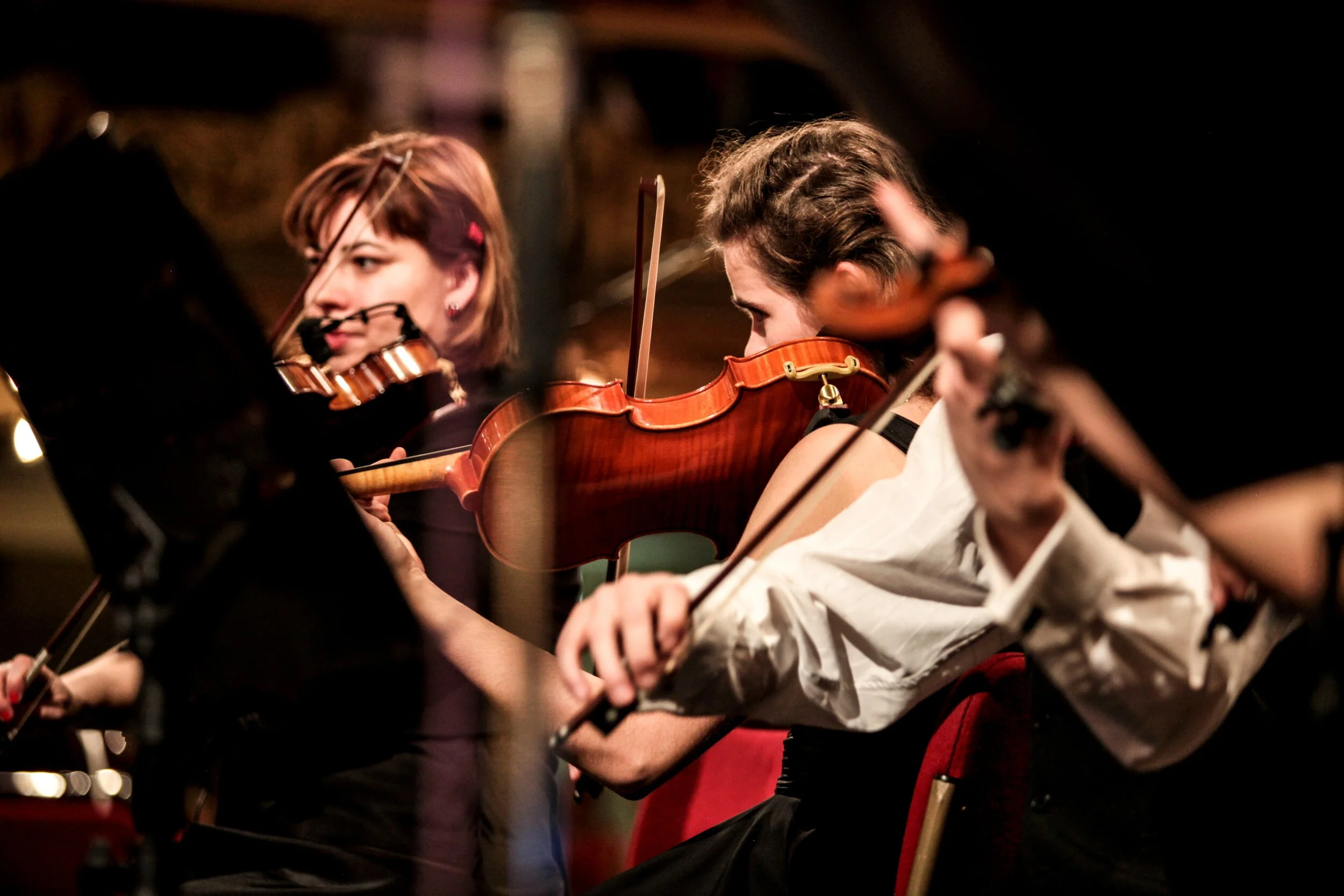
Since musicians’ lives come in so many shapes and sizes, let’s hone in on one pretty standard way to be a professional musician: orchestra life. I know this one the best, of course, since Ryan is a professional orchestral musician (I could also talk about opera, but it’s a way weirder and far more variable day-to-day). First, let’s dispel a myth. A lot of people ask Ryan what his real job is. Like, we’ll be at a party with non-musicians and they’ll ask him what he does, and he’ll say “I play in the symphony”, and they’ll say “yeah, but what’s your real job.” Um, that is his real job. It’s his 9-5. It’s his JOB. When we applied for our mortgage, he wrote “musician,” because… that’s his job. And we don’t live in poverty. Now, truth be told, sometimes it’s hard to make it as a musician, financially speaking. If you’re gigging, or you play in a really small orchestra, absolutely – it’s harder to make ends meet. But most musicians find ways to piece together a pretty decent living from musical means, be it teaching, composing, working in arts administration, or supplementing their playing income with other non-musical side hustles. But – also good to know if you’re new to classical music – in big cities like New York and Los Angeles, orchestral musicians make an ever-loving boatload of money. Like, more than a dentist. So don’t think the arts are pure charity – these are skilled professionals. [Sidebar: I could go on and on about why the vast majority of musicians deserve to be paid WAY more than they currently make… but for now, I digress.]

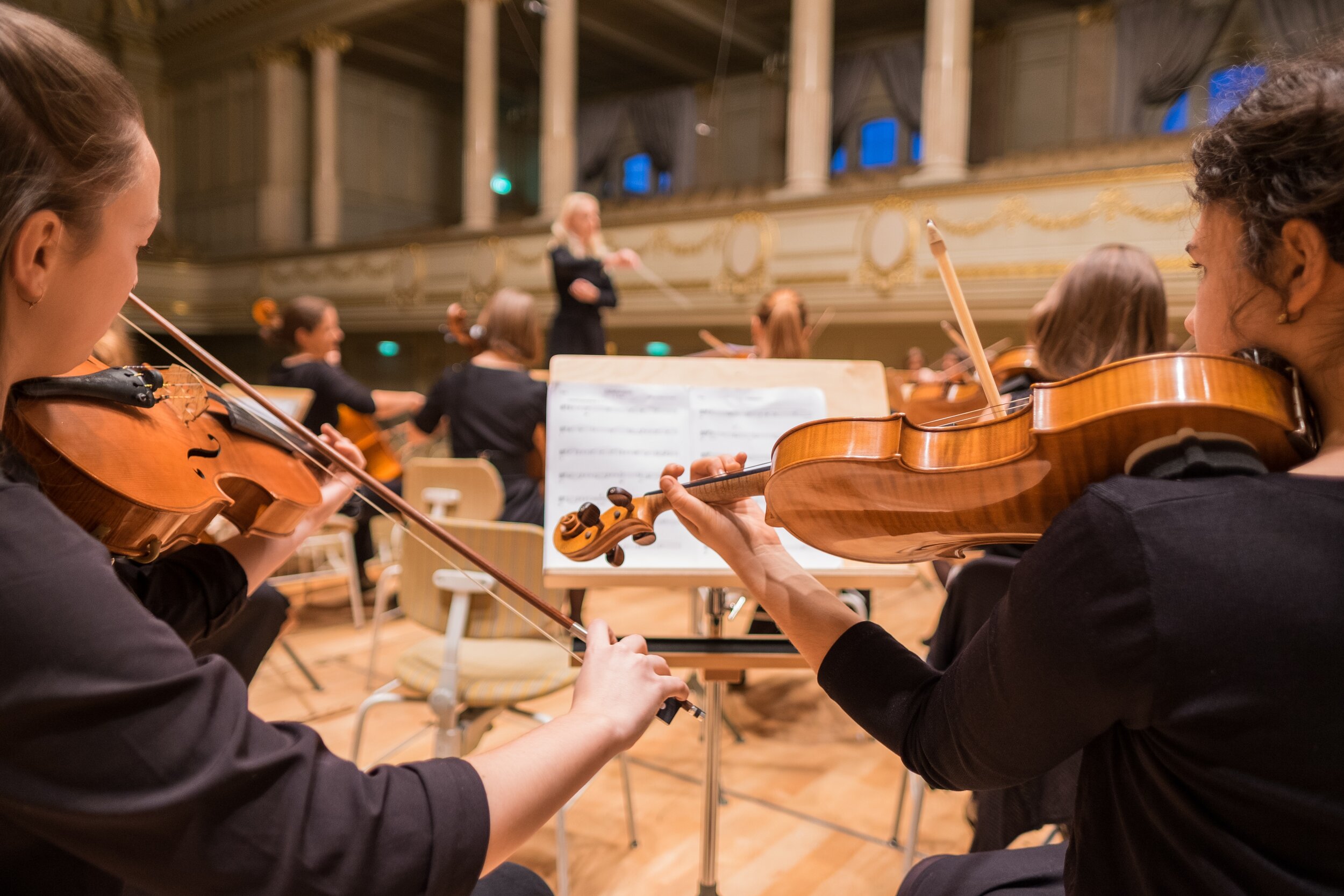
So: day-to-day life of an orchestral musician. Most orchestras are based around two key pieces of scheduling information: the number of weeks their orchestra runs per year, and the number of services the musicians can be scheduled each week. These are both negotiated (musicians collectively bargain with their own orchestras – bet you didn’t know that!). Big city orchestras have a season length in weeks that is closer to a full year than smaller orchestras do. Small orchestras are “dark” (i.e., they don’t have rehearsals or concerts) more weeks of the year than big orchestras (fewer weeks of performances/operations/pay for musicians = less expensive to run). So, if you play in, say, a mid-range orchestra, you might have part of the summer off with no pay, like a teacher. 

Then you’ve got the number of services per week, which is usually eight (in North America, at least). That means that orchestra management can book the orchestra eight times in a week for, generally, 2.5 hour “services” (musicians are in a professional association, which is like a union, and that is how they wound up with these types of fixed agreements). Musicians will have a mixture of 2.5 hour rehearsals and concerts in a week, often on more than one “program.” For example, an orchestra might have one rehearsal and one performance of a special Pops show (like a Beatles tribute, or “the music of Star Wars”, or something like that), then three rehearsals and a three performances of a classical program (like a Beethoven symphony with a piano concerto). 

If you have a 9-5 office job (or a way-more-than-40-hours-a-week job), you might be thinking, “eight services at 2.5 hours each… what do musicians do the rest of the time?!” Well, they practice. All the time. You see, when a professional musician shows up at rehearsal, it’s a little different than you might remember high school band. Every musician is expected to show up “performance ready“ – well-prepared, confident, ready to go. Then, the rehearsals are about the conductor teaching the ensemble how he or she wants to express a specific interpretation of each piece, rehearsing with a guest soloist, and also allowing the music to gel as an ensemble. So musicians are essentially paid for two things: their preparation, and their time and contributions in rehearsal and performance. 

Each day, an orchestral musician has to get in a certain amount of solo practice time for two purposes: music preparation, and technical maintenance and development. Orchestral musicians are often preparing several programs at once, often far in advance. They know all their concert programs for the season a few months before the first concert, so if a musician knows that a particularly difficult piece is coming up (for example, one that has an exposed, tricky, famous solo for their instrument), they’ll start preparing it farther in advance than a piece they’ve played many times that doesn’t feature their section. Because orchestra programs butt right up against each other (as in the earlier example about 8-service weeks), or even frequently overlap (orchestras can have a rehearsal for one thing and a performance for another in the same day), time management and keeping programs straight for maximizing practice time is essential.

Musicians also need to do technical maintenance practice every day to keep up their level of ability. This varies by instrument, but is usually some combination of scales, etudes (short, super tricky pieces of music written solely for practice of specific skills), and exercises (like playing really long, slow progressions of notes with a metronome to build endurance, or practicing common bowing patterns across all the different keys). Some musicians include this part of practice in their warm-up at the beginning of the day, others break it down by techniques matched to individual pieces that utilize them, and others hive off a technique-only session late at night. Different strokes for different folks.

Finally, musicians also spend a lot of working time “off the instrument” – that is, not playing. Preparing music for a series of rehearsals and performances includes time spent listening to recordings of the piece (which is so easy now that everyone has access to the greatest orchestras in the world on YouTube and streaming services), marking up the score (some musicians like to add lots of pencil markings in their score while they listen to recordings to help them in rehearsals), and doing bowings (the heads of the string sections write in where they want their sections to bow up or down). Time off the instrument also includes maintenance time, especially for the reed players, who spend a huge amount of time making the reeds for their instruments (shout out to Ryan’s mom for making him play trumpet… though I personally find reed-making endlessly fascinating and think I’d really enjoy it). 

As well, many, many professional orchestral musicians also have solo engagements (like performing as the guest soloist for another orchestra), chamber music groups (like a string quartet or brass quintet), and teaching (at a university or in their private studio). Many musicians are big on health and fitness to maintain their physical stamina for playing, so they also spend time working out (running and yoga are both very popular, as is, perhaps surprisingly to non-musicians, CrossFit). And, regardless of where they are in their careers, many musicians continue to take auditions even when they have a great job in a good orchestra – both to keep their playing sharp, and to continue to push themselves toward bigger and better performance opportunities.

And that’s musician life! Not so crazy, right?

jonathan-j-castellon-khu7J_G_U-U-unsplash.jpg

So that’s the life of an orchestral musician! As I write the end of this, Ryan has just gotten home from doing some teaching, and is on his third practice session of the day (two this morning before he left – one to prepare a concerto he’s doing with another orchestra, and one on his repertoire for tomorrow’s opera rehearsal). Now he’s onto a session of technique with a timer (I can hear the beeping signalling him to practice in intervals with short breaks, much like a workout… can you see the CrossFit parallels now?). After this, he’ll probably take most of the evening off, having played a lot already today, but I wouldn’t be surprised if he tucks in one more session on endurance playing after dinner. Hard to say, though – baseball playoffs are on, and musicians are, after all, only human.

Curating an Authentic, Inspiring Personal Brand

ella-jardim-M0zs81FNm6s-unsplash.jpg

If you just read the words “personal brand” and wanted to throw up a little, STAY WITH ME! Personal brands aren’t inherently icky; they’re actually amazing tools for knowing yourself better, feeling more confident, and serving up the most creative, authentic, inspired version of yourself. It’s not about selling yourself, it’s about being yourself. I’ve honed my own process for building a personal brand over several years – a process that is fun, artsy, and really, really satisfying – and now I’d love to share it with you. It’s been a game-changer in my own life, offering me a ton of insight and confidence, and I’m so excited to see other people implement it as well.

Sound good? Let’s dive in.

What IS a personal brand?

Before we dive into actually BUILDING your amazingly authentic, beautiful, so-true-to-you personal brand, let’s talk about what a personal brand is. I think this will clear up some of your original icky feelings, if you had them.

The problem with the terms “personal brand”/“personal branding” is that, with the rise of influencers, they’ve taken on multiple, very different meanings. AND, to add to the confusion, the two main meanings of the term “personal brand” are closely interwoven in the influencer business. But don’t be deterred. I promise to end up at a definition for OUR exercise in personal branding that is (1) not smarmy, (2) for everyone – i.e., not just internet celebrities, and (3) is really creative and authentic and awesome. But first, let’s clear up this whole definition confusion.

“Personal Brand” Meaning #1: A business that revolves around an individual

The first meaning of “personal brand” refers to a business that revolves around a person, and where all of that person’s sub-businesses and revenue streams are based off their persona/celebrity. Paris Hilton. Kylie Jenner. Multimillionaire YouTubers this 30-something has never heard of. These people ARE “personal brands.” Kylie Jenner is a brand, just like Coca Cola is a brand. These people’s core business offering is them, and they make money by putting their name on things, showing up places so people can see them, and endorsing products. 

We. Are. Not. Talking. About. This. Definition. We are actually going to talk about the way more interesting meaning of personal brand, which is…

“Personal Brand” Meaning #2: All the things we associate with a certain person

Here’s where it gets really creative and exciting and actually applicable to my life and yours!

We know that companies are brands, right? Well, the term “brand” refers to not only a company’s name, logo, and colours, but also all the things we associate with them. Take, say, McDonalds. Their brand includes not only the logo and the specific yellow and red they use in all their signage and advertising, but also things like: Ronald McDonald, the golden arches, specific menu items like the Big Mac and the Happy Meal, and also more nebulous things like clean bathrooms, a good first job, consistent product, and fast service. In marketing, we call all of those things “brand markers” – things people associate with the company that, all together, make the nuanced, complex, often warm-fuzzy-inducing thing we call a brand.

The whole “what does personal brand even mean” thing is confusing because people also have brand markers, especially people whose businesses include “selling themselves” in some way, or being “the face of their brand.” For example, I bet you could rattle off some brand markers for Ellen DeGeneres – dancing, sneakers, non-gender-binary clothing, generosity, her show’s bright blue and white colour scheme, a dry sense of humour, playing pranks. All those things come together to represent Ellen’s “personal brand”, and they’re things her personal PR team and the show’s production staff will work to curate and enhance. Why? Because they help us, as viewers, consumers, and fans, feel closer to her and more warmly toward her. In short, because it makes us feel like we know her and what she’s all about.

So… why does a normal person who isn’t Instagram famous (or famous famous) need a personal brand?

maddi-bazzocco-Vbt1zTCsSNA-unsplash.jpg
“Your personal brand is all the things that come together to symbolize the realest, most unique, you-est you. It’s the best version of yourself, captured in words and images, that you can leverage and lean on.”

The concept of personal branding has gotten really polluted over the last couple of years with the rise of influencers, but it didn’t always have a smarmy veneer to it. In fact, my first introduction to personal brands was back during my MBA, when we talked about the term as basically equated with social capital: what comes to people’s minds when they think of you? What are you known for? (And I don’t mean on the internet – I mean by real people, like your friends, family, and coworkers.) That’s how I think of personal branding, but with added artsy touches, like the colours, images, items, and even materials, typefaces, and other beautiful and symbolic elements that represent you. Your personal brand is all the things that come together to symbolize the realest, most unique, you-est you. It’s the best version of yourself, captured in words and images, that you can leverage and lean on.

I actually spend a lot of time curating my personal brand, and not just because I actually do work on the internet. Nope, I spend time mulling it over and collecting images and inspiration points to clarify my personal brand for myself. I do it because it makes me feel more confident. I look through my notes or my mood board and feel more grounded. If I need to make a decision – from what colour to paint a room in my house to whether or not to agree to a contract – I think through my personal brand. Does this feel like me? A personal brand is like a sounding board, a reference point, and a huge confidence booster. It can help you focus your resume, put together better outfits, and feel more confident about all the quirky wonderful stuff you love.

Sound decidedly un-smarmy and definitely useful and fun? Let’s find your personal brand.

But first, two notes

Note number one: here is where the zen amongst you argue that we should be letting our personas fall away, not building them up. Absolutely. On a deep, deep level, so much of life is about letting the surface “you” fade and becoming more the inner, silent, eternal “you.” But, day-to-day, wholly integrated “you” also likes to feel well-dressed, creative, and confident, so let’s aim for joyful integration for the moment, shall we?

The second note before we dive in and start curating: I believe in being aspirational. When I was in grade eight, we did a project where we drew self-portraits. Our teacher was pretty clear that you could be realistic, aspirational, or even symbolic (I remember this because part of my personal brand has always been excelling at academic pursuits and meticulously executing on projects). At the time, I was really into medieval history and fantasy novels about knights, so of course I chose the aspirational/symbolic path, and drew myself as a (pretty damn hot) lady knight, with a very trendy Meg Ryan shag haircut. I assure you, it did not look like grade eight me (who had the braces with the coloured elastics, blue glasses, spiky hair dyed a terrible copper red, wore the same Paul Frank t-shirt and baggy sk8r girl cargo pants constantly, and was several years away from learning anything about skincare, let alone makeup). But it felt like me (and now I find it pretty funny, because other than the short hair, it actually did end up looking how I look as an adult). But boy did my classmates make fun of it, despite the fact that it was one of the best art projects I’ve ever made in literally my entire life. Middle schoolers are the worst.

So don’t be like those jerks and feel free to dream and envision yourself in the best possible light. Sure, infuse some realism where appropriate, but in a way that feels kind to yourself and really uplifting. Think of this as an exercise in curation – you’re basically pulling together all the things that make you feel the most like you. Not the “you” that you worry some A-holes in your life might think you are. The “you” you know you are. The “you” your dog thinks you are. The you-est you.

Let’s get started.

How to Curate an Authentic Personal Brand 

andy-art-t-WkBEOQngs-unsplash.jpg

Because personal brands are just that – personal – there are no set rules about what’s included in them or how to put yours together. It’s YOUR process! But, I’ve tried out lots of personal branding techniques and approaches over the past several years, and what I figured out is that the process and the end result are a lot more satisfying (to me at least, and I hope, to you as well) when I focus on artsier inputs, like colours, images, and words than when I write down lists of my accomplishments and interview my colleagues about what makes me “a great team asset” or “a hot commodity in the workplace.” Man, I find that stuff boring, and it really doesn’t uplift me in my everyday.

My version of a personal brand is highly visual, highly amorphous, and, well, highly personal. And I literally refer to my reference points for mine every day, purely for inspiration and a boost of self-confidence. So if that kind of result sounds good to you, here’s my own process for curating an authentic personal brand, organized by input type.

IMAGERY

Some people would start a personal branding exercise by having you cooly and objectively looking at your accomplishments and behaviour. Screw that. The symbolic, mythical knight version of you would not start there. She would start with stuff that’s awesome and magical. So let’s start where a lot of artists start: with images that represent, in an abstract way, who you are.

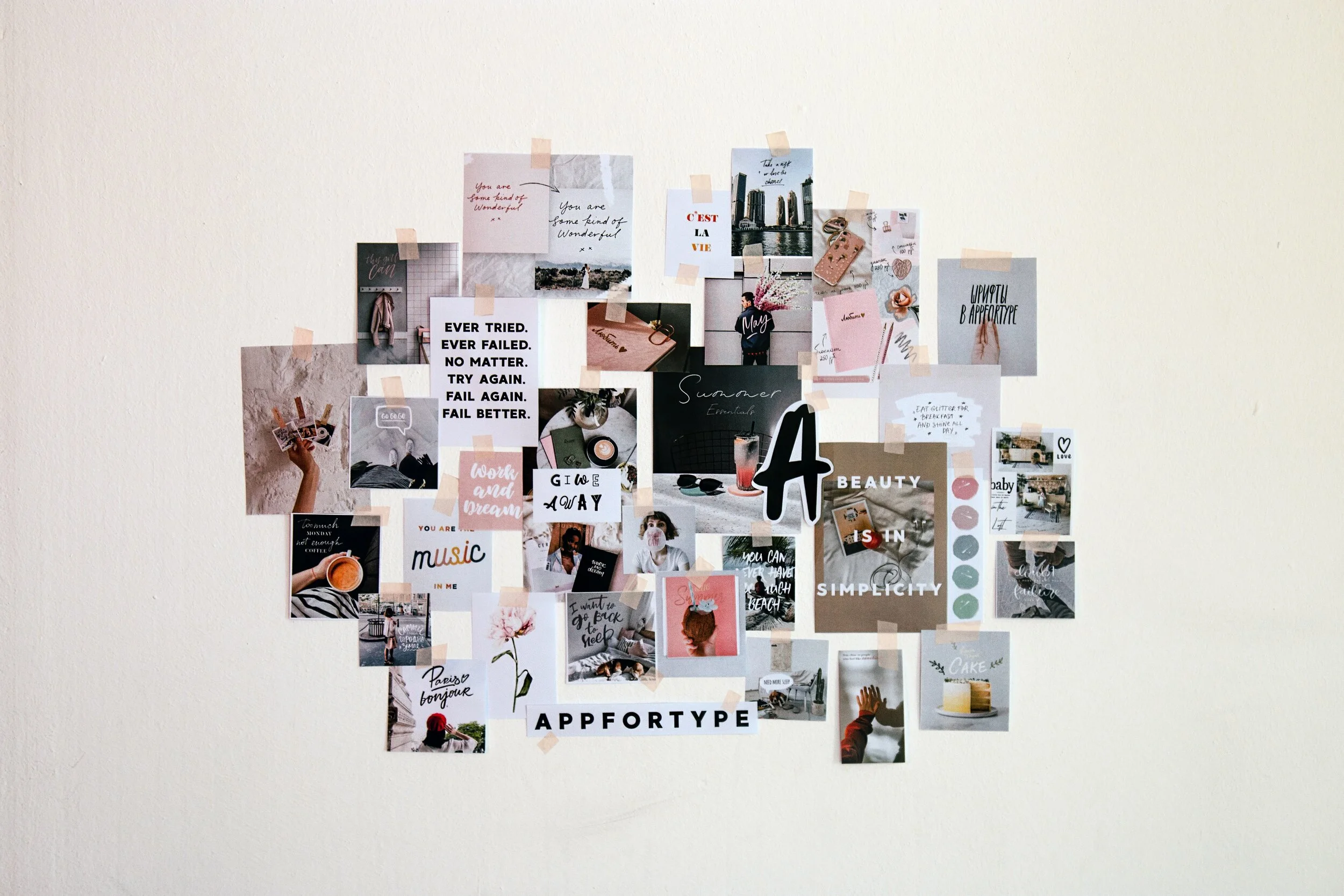
Now, you can do this by flipping through magazines or perusing the internet and building a tangible scrapbook or moodboard. If that’s your jam, godspeed – I love all things analog. But, if I may suggest a very speedy, immediate, and instantly gratifying method, head over to Pinterest (even if you’ve never used it because you’re pretty sure it’s the evil creation of Stepford wives). Pinterest is an awesome way to make mood boards, so make yourself an account if you don’t have one, and create a board with your name in all caps, or something like *  P E R S O N A L  *  B R A N D  * with some of your signature emojis thrown in for good measure (not that that’s what mine is called or anything…).

When an artist is starting a work, there are lots of jumping off points to clarify their perspective, ignite their creativity, and sharpen their references. One is to gather examples of imagery. These can be literal (“the play should be set in the Scottish highlands”) or figurative (“I want this dancer to move like a babbling brook”). These are the types of images you’re looking for: both literal and figurative. Here are some examples of what I have on my board and why:

  • Wilderness from the Pacific Northwest (it’s where I live, and I feel deeply connected to the scenery)

  • California beaches (Malibu is one of my favourite places on earth)

  • Cozy lake houses and cabins (I love going to cabins, and it’s my dream to own one)

  • Lots of pictures of lattes and books in cute coffee shops (speaks to my “cute nerd” vibe, plus I love both coffee and books)

  • Dogs, especially boxers (like my Molly!) and golden retrievers (which is what I would be if I were an animal)

  • A lot of organized but creative-looking desks (which is how I aspire to feel when I’m working)

  • Cute. Ass. Comfy. Outfits. (I like to include references for my personal style)

  • Beautiful living spaces (I also like to include references to my decorating style)

  • Houseplants, gardens, bouquets of flowers (As a Taurus, this is basically mandatory)

  • Lots of artsy stuff, like photos of artists’ studios, paintings, etc. (Obviously)

You can get as specific or as symbolic as you choose. On the literal side, I have pictures of my favourite things (like La Croix, cheap takeout sushi, embroidery, and the Penguin Classics books I collect). On the abstract side, I have a lot of pictures of blue sky (I’m an eternal optimist), blooming flowers (my word of the year this year was “bloom” – as in, allow for organic expansion and beauty in my life), and vast open fields (I see life as full of wandering adventure and possibility). 

My one cardinal rule is this: you cannot pin (or cut out and paste) anything unless it 100% – nay, 1000% – feels like you. This may take you a little bit of time to figure out, so don’t be afraid to delete some of the first images you select later on. But you will eventually find your groove where, as you’re scrolling, images start to jump off the feed and scream at you THIS ONE! When you really get in tune with that inner voice during this process, the images you select will be much, MUCH more cohesive as a group. In fact, you might be amazed (as I was) to scroll through the images once you’ve got a whole schwack of them to discover that…………

COLOUR

……… You’ve inadvertently chosen photos from a beautifully cohesive colour scheme. Don’t – DO NOT – try to do this up front. It is such a beautiful gift to have your unique style emerge from your choices, including your signature colours. When I first did this exercise, I was positively flabbergasted to see how cohesive my photos ended up being. I was just searching for keywords and selecting what jumped out at me, and lo and behold, a gorgeous palette of colours I never would have guessed to be my “signature colours” emerged. For me, these were black, white, rich leathery brown, and navy (all of which I would have suspected, as they make up 95% of my wardrobe), but also forest green, burnt orange (a HUGE surprise), hits of pale pink, and a soft ocean blue. 

If you’re drawn to colour like I am, this was such a revelation. I started seeing these colours everywhere, and using them wherever I could. I began selecting them for my clothing and accessories (even ones like the rich green, which I rarely wore before). I integrated them into things like my website and my Instagram photos (and not just for the purpose of marketing cohesion, but because they felt so much like me). I began bringing them out in our home decor. It might seem silly or shallow, but knowing your colours (and I don’t just mean colours that look good on you, but colours that feel like you) is a really uplifting thing to add to your life. It adds a level of cohesion to everything you do that is so intensely satisfying. Give it a try, even if you don’t consider yourself artistically-minded, or if home decor or fashion aren’t your thing. I think the hits of joy from seeing your colours might really surprise you.

TEXT

As a writer, I’m obviously word-obsessed. Many of you will also know one of my favourite hobbies is making all kinds of hand-lettered art (my graphic designer mom always thought I would grow up to be a typeface designer). I adore quotations, turns of phrase, inspirational snippets of text, single words that really speak to me… it’s all so me. So my Personal Brand board includes a ton of text (and, if you’re an old hat at Pinterest, you’ll know there’s oodles to choose from). If you like quotations, search for individuals you find inspiring, or just search for “inspirational quotes” or the like. If you, like me, love hand lettering, search for that (and you’ll find lots of great text along the way). Add verses from religious texts if that speaks to you. Toss in some poetry. Got a single word theme for your year, or a personal mantra? Search it and see what comes up. And same rules apply as above: only keep something that feels so much like you you can’t bear to leave it off your board. That’s the level of you-ness you’re looking for. 

More of a written word person than visual? Try this exercise instead

jeshoots-com-LtNvQHdKkmw-unsplash.jpg

I’m an EXTREMELY visual person – I learn better when I use visual methods, I like to use visual metaphors when explaining things (both professionally and in random personal conversations), and visual inputs and outputs (like my clothing and my decor) are important to me. BUT, I 100% know this isn’t the case for everyone. So, because self-expression comes in all shapes and sizes, I would like to give you a second way to curate your personal brand that is alllll about the written word.

Similar to my physical scrapbook vs. Pinterest methods above, you can either do this step in a physical journal or an electronic document – choose your own adventure. Personally, I find I get better personal insight when I handwrite (there’s something about having to write more slowly and with more physicality that lights up the more intuitive side of my brain), but I can type much, much faster, so it’s a real trade-off when I’m trying to do some creative written work focused on myself. Pick whatever feels best for you and run with it.

As above, I’ll give you three types of artsy/creative inputs that you might want to use for constructing a text-based reference/collection/jumping-off-point for your personal brand:

FACTS, FAVOURITES, AND MEMORIES

I’m quite obsessed with the practice of constructing characters, whether it’s in drama, film and television, or literature. I’ve always been fascinated by the idea of creative writers hashing out all the little things and reference points that make a character who they are. I used to think about this when I watched The Simpsons, since I’m so similar to Lisa. Does a writer somewhere have a big cork board (visual self assumes this is the only way to do it) full of sticky notes that say things like “saxophone”, “jazz”, and “academics”? Does it have repeated phrases she might be heard saying? Or her favourite things, like vegetarian food and feminist literature? 

Short answer: yes. This type of mapping – whether visual or written – is a classic way to construct a character. Now, without getting too ego-centric on you, it’s also a great way to hone in on your personal brand. Just remember: it’s not about artifice, it’s about reference points about what makes you feel like you. So just like you would write out facts about a character (places they’ve lived, what they do for a living, where they are in the birth order of their siblings if they have them), their favourites (foods, colours, animals, books, etc.), and their most cherished memories (times they felt a lot like themselves, which provide a ton of reference points about who they are and what they love), so too can we curate a beautiful list like that for ourselves. In fact, make a ton of those kinds of lists. Favourites of all kinds. Places you love and places you want to go. The people who are most important to you. Just toss anything that feels so you it needs to be in there in a big ol’ word pile, organized however inspires you. Have. Fun. Be. Curious.

POETRY, QUOTATIONS, AND BITS OF PROSE

As you might have caught when I was writing the section on creating a visual mood board, I love quotations. In fact, I was so obsessed with incredible quotations from historical figures when I was in high school that I made dividers for my binders with famous quotes paired with corresponding famous paintings AND I LAMINATED THEM. (Oh, you KNOW I was the coolest kid in grade 12 with those bad boys. Teenagers are really into people who are exceptionally nerdy AND crafty.) I love really juicy quotations from important people. The great speeches of world leaders are a favourite source, as are autobiographies of people I find inspiring. Of course, finding great quotes is a helluva lot easier with the advent of the internet, so get searching for (a) people you find inspiring, or (b) topics or ideas that are important and uplifting to you. I still keep copious notes of favourite quotes I stumble upon, and I think a person’s collection of quotations is a great reflection of their personal brand.

Of course, if you’re into poetry, this is a wonderful place to collect poems that really speak to you as well. My personal brand here would include a lot of Romantic poets like Keats, Whitman, and Dickinson (as you know, I love the classics of all art forms), as well as some choice 20th century poets whose conversational but striking work really speaks to me (my list would include my favourite poet, Frank O’Hara, and my beloved Langston Hughes). 

I would also pull bits of prose in here. Perhaps a marvellous turn of phrase from a novel I love, or even a paragraph from a non-fiction book or article I’ve returned to many times. 

ABSTRACT PERSONAL WRITING

For those of you who enjoy less concrete and more abstract self-expression, this is a great place for free writing of all kinds. Perhaps you’d like to riff on a subject about yourself, perhaps you’d just like to let the words meander and tell you about yourself – it is all fantastic. Me, I’m a super concrete person, so that kind of creativity is like amazing witchcraft to me, so if it resonates for you – do it!

How to use your “personal brand” now that you’ve got one

avel-chuklanov-DUmFLtMeAbQ-unsplash.jpg

So you’ve got a visual or written (or combo!) reference point/collection of all the things that really feel like you. What now?

When I was first learning about personal branding, I was told it was all about leveraging what you know about yourself to basically promote yourself – give better answers in interviews, make your LinkedIn snappier, etc.. But that just doesn’t make me feel inspired. What does make me feel inspired every day, in ways that are both concrete and amorphous, is knowing who I am on a deeper and deeper level. 

Here’s how I use my personal brand collection. First, I have a quick glance at it almost every day. As I said, mine is a Pinterest board, and I’ll just pop it open mid-day and have a wee scroll (I also keep a series of notes and collections of text in my bullet journal, so I’ll often have a flip there as well). I’ll also sometimes click on the “More Ideas for this Board” tab at the top in Pinterest and see if I come across more images to add (my board is absolutely ginormous after doing this for quite a while). Second, if I’m feeling down or out of sorts, I get in there ASAP. I feel so much better if I come back to me, and I find this to be such an inspiring, positive, and centering way to do that. Finally, as I alluded to earlier, if I’m trying to make a decision about something – whether it’s something silly like what colour to order a piece of clothing in to a big life decision that has absolutely nothing to do with the images I’ve selected – I go in for a scroll. 

To me, this is what personal branding is all about: returning to you, over and over again. Curating something beautiful and poetic and affirming about who you are is a gift you can give yourself that you can lean on every day. It doesn’t have anything to do with directly marketing yourself or getting better gigs or building your resume (even though, I think, those things can all come from a seed as simple as visualizing all the things that make you you). Instead, it’s about picturing all the wonderful things that make up who you are, and by knowing them, embodying them and projecting them out into the world. 

So I hope you’ve enjoyed this deep dive into what I think of as artistic, inspired, curated personal branding, and I really hope you try it for yourself. For something as seemingly silly as a bunch of journal pages or a flippin’ Pinterest board, it can literally change how you feel about yourself every day. And when that shifts for the better, everything can change.